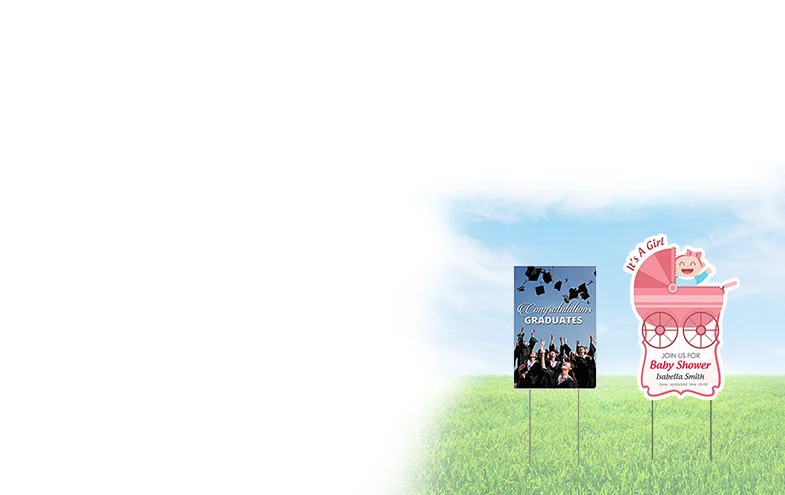


Running a successful business requires consistent local visibility. Nothing grabs attention quite like impactful, sharp outdoor signage. Your storefront displays, roadside banners and directional signs work around the clock to showcase your brand. They act as silent sales representatives for every passerby. However, putting up a sign outside means leaving it at the mercy of nature. From intense summer sunshine to sudden autumn downpours, outdoor marketing tools must endure heavily changing environments to remain fully effective over time.
Recent seasonal shifts across the UK have highlighted how unpredictable local weather can be. We have all seen record-breaking heatwaves closely followed by sudden high winds and heavy downpours. For business owners, this serves as an important reminder. Outdoor displays and heat-resistant signage cannot just look great on day one. They must possess the real material integrity to look exceptional year-round, regardless of changing conditions. It is all about long-term reliability for businesses operating outdoors through all seasons.
Selecting the right outdoor signage for UK weather is a mix of smart design, proper location planning and structural awareness. This guide will walk you through the essential factors to evaluate, ensuring your business message stays bright, stable and visible through every change in the climate.
The Impact of Weather on Outdoor Displays
Before looking at specific products, you need to understand exactly what your sign will fight against. Different elements attack surfaces in unique ways, and being prepared is the best possible defense for your investment.
1. Ultra-Violet Radiation and Extreme Heat
Bright summer sunlight carries heavy UV rays. These rays degrade regular plastics and cause standard printing inks to fade quickly. When temperatures climb, weak materials can warp, crack or expand, which quickly distorts your printed graphics. Best outdoor signage for hot weather avoids this issue completely by utilizing UV-resistant inks and heat-stabilised materials that retain their exact shape and color richness through prolonged sun exposure.
2. High Winds and Air Pressure
Wind acts like a physical sail against flat surfaces. A large, solid banner placed in an open area can catch a strong gust, tearing away from its fittings or damaging the wall behind it. Physical design choices make a massive difference here, even when planning temporary outdoor retail signage for heatwaves that might experience sudden summer storms. Using smart material patterns or adding built-in wind vents lets air pass through safely, reducing the physical strain on your print and your property layout.
3. Moisture, Rain and Humidity
Water damage quickly ruins paper-based or basic cardboard signs, causing layers to swell, peel apart or rot. Constant dampness also brings the risk of rust on low-grade metal frames. Thus, it’s important to understand how to choose the right outdoor signage, as the right ones are completely waterproof from the core. It should rely on advanced protective laminations or rust-resistant coatings to prevent moisture from finding its way into the material layers.
Read More: 10 Best Outdoor Advertising Solutions for Summer Weather
Evaluating Core Signage Materials

The foundation of any great custom sign is the substrate it is printed on. Selecting the right material ensures longevity and helps you get the best return on your marketing investment.
1. Heavy-Duty PVC Vinyl
Vinyl is still the industry standard for outdoor banners due to its versatility and value. A thick, high-ounce PVC material offers excellent tensile strength, making it tough to rip or tear. When paired with waterproof printing, it handles rain and intense sun without breaking a sweat. It works beautifully for building wraps, temporary event promotions and business fence coverings, and tends to be the best material for outdoor signage.
2. Perforated Mesh Fabric
If you plan to place a large banner on a scaffolding rig, between open posts or in a coastal area, mesh is your best option. Mesh banners feature thousands of tiny micro-perforations across the fabric surface. These small holes allow high winds to blow straight through the banner instead of pushing hard against it, reducing the physical load on your ropes and eyelets while keeping the text fully readable from a distance.
Read Also: Mesh Banners vs. Solid Vinyl Banners for Outdoor Advertising
3. Aluminum Composite Panels
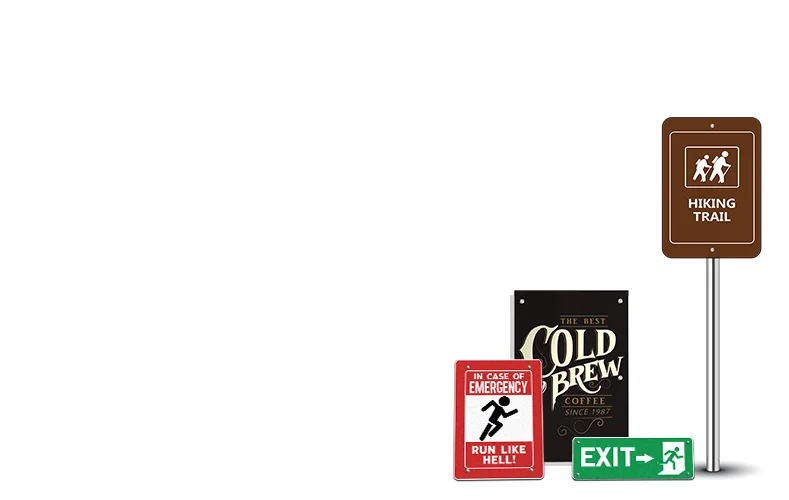
For permanent structural signage, aluminum composite is completely unmatched. It consists of a light, solid core sandwiched tightly between two sheets of smooth aluminum. This specific engineering means the panel will never rust, rot, or warp under intense summer heatwaves. It provides a perfectly flat, premium surface for high-resolution graphics, making it ideal for permanent shopfront fascias and directional building street signs.
4. Corrugated Plastic and Foamboards
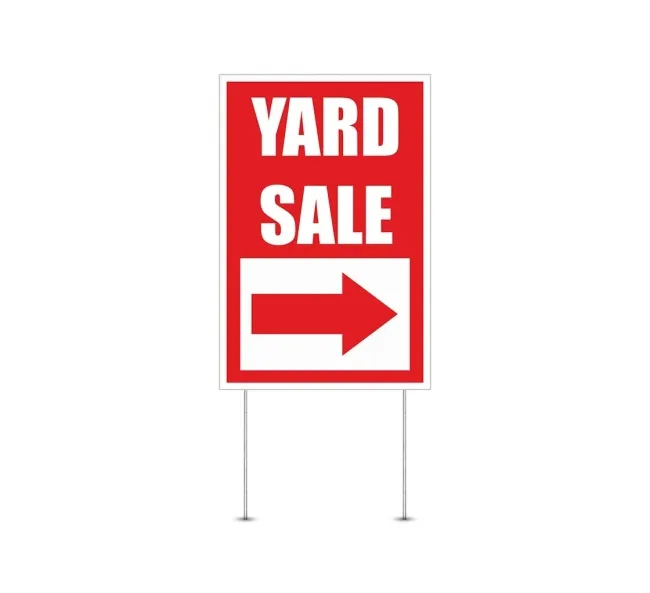
When you need quick, portable, or short-term outdoor signs, corrugated plastic is a brilliant option. It is entirely waterproof, exceptionally lightweight and very budget-friendly. While not built to stay outside for ten years, it is a highly durable seasonal outdoor signage for event directions, construction site safety warnings and temporary real estate displays.
Understanding Printing Technology and Finishes
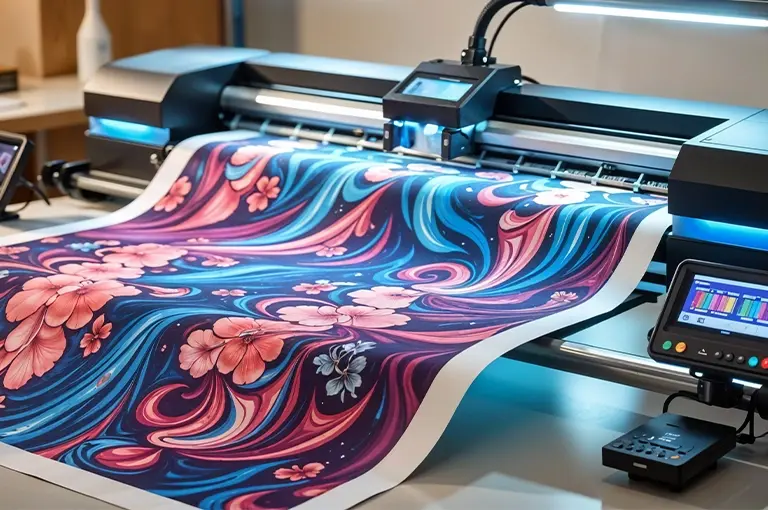
The material keeps your sign standing, but the printing technique keeps your message clear. Standard digital printing can flake, run or wash away when exposed to harsh outdoor elements over a long period. To build outdoor signage that withstands heat, modern outdoor printing uses advanced methods like UV-curable inks or heavy solvent systems. During the production process, the ink is exposed to instant ultraviolet light or heat, which chemically bonds the pigments directly into the material fibers. This creates a waterproof, highly scratch-resistant layer that actively repels sun damage and stops colors from fading early in their lifecycle.
Adding a professional finish can extend the life of your sign even further. Gloss or matte laminates act as a shield against dust, rain and minor scuffs. Structural choices like heat-welded hems and brass eyelets are just as important. These reinforcements distribute pulling forces evenly along the edges, preventing your banner from tearing at its mounting points when the wind picks up.
| Signage Product | Best Suited Environment | Key Weather Feature |
| Heavy-Duty Vinyl Banners | High-visibility storefronts, walls | Waterproof & high tensile strength |
| Perforated Mesh Banners | Open fences, scaffolding, high zones | Wind-permeable micro-holes |
| Aluminum Composite Signs | Permanent shop fascias, parking zones | No-warp rigidity, rust-resistant |
| Corrugated Plastic Signs | Roadsides, directional, temporary events | Lightweight, short-term waterproof |
Strategic Installation and Positioning

Even the toughest sign can fail if it is mounted incorrectly or poorly positioned. When planning your outdoor display layout, think about the physical forces that will interact with your signage daily.
First, take a look at the angle of the sun. A sign facing directly south receives the highest dose of daily UV-rays and daytime heat. For these high-exposure spaces, investing in premium protective finishes is smart to avoid early fading. If you are mounting a sign directly to a brick wall, make sure the backing structure is solid and use corrosion-resistant stainless-steel screws to prevent ugly rust streaks from staining your graphics later on. Similarly, if your facility requires a clear custom parking sign, utilizing weather-hardened anchors will prevent structural shifting over time.
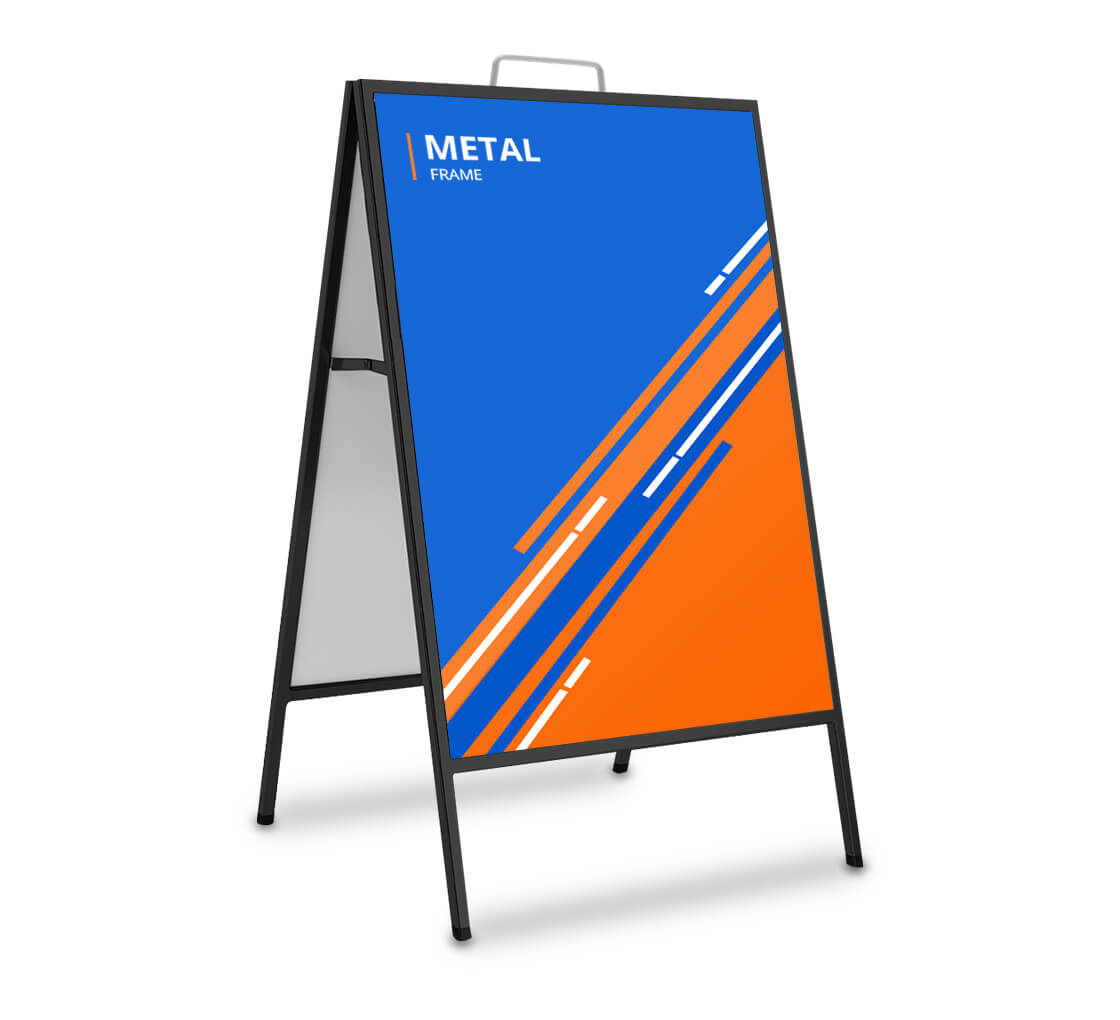
When hanging flexible vinyl banners, keeping the material pulled tight is critical. A loose banner will flap violently during a storm, creating repetitive stress on the corners that leads to early material failure. Use strong bungees or zip-ties through every single eyelet to spread the wind tension equally. For standalone displays like a sidewalk A-frame sign, always use weighted bases filled with sand or water to keep your branding anchored on the ground during breezy days.
Key Questions to Guide Your Selection
To narrow down the best possible signage option for your specific business goals, run through this quick structural checklist before ordering your next display:
Q1. How long will the sign be displayed outside?
Ans. Go with aluminum panels for permanent setups, vinyl banners for seasonal campaigns, or corrugated plastic for temporary notices.
Q2. What are the local wind conditions like?
Ans. If your business sits in an open, windy area or close to the coast, look closely at perforated mesh options.
Q3. Where exactly will it be mounted?
Ans. Consider whether you are anchoring into stone walls, securing it to a fence, or placing a freestanding frame on a high-traffic pavement.
Q4. What style of graphic am I printing?
Ans. Highly detailed, image-heavy branding looks best on the ultra-smooth surfaces of aluminum composite or premium high-gauge vinyl.
Conclusion: Secure Your Brand’s Outdoor Presence
Unpredictable weather can catch unprepared businesses off guard, but it also creates a great opportunity to stand out from the crowd. Investing in durable, highly engineered outdoor signage for businesses ensures your message remains clear, crisp, and professional through intense summer sun and autumn rain alike.
By assessing your local setup space, picking a robust material substrate, and focusing on proper installation methods, you can create an outdoor display that performs beautifully for years. Whenever you are ready to update your business front or launch your next campaign, explore the extensive range of weather-ready options available at BannerBuzz. We build our solutions to last, keeping your brand in focus no matter what the British weather brings.