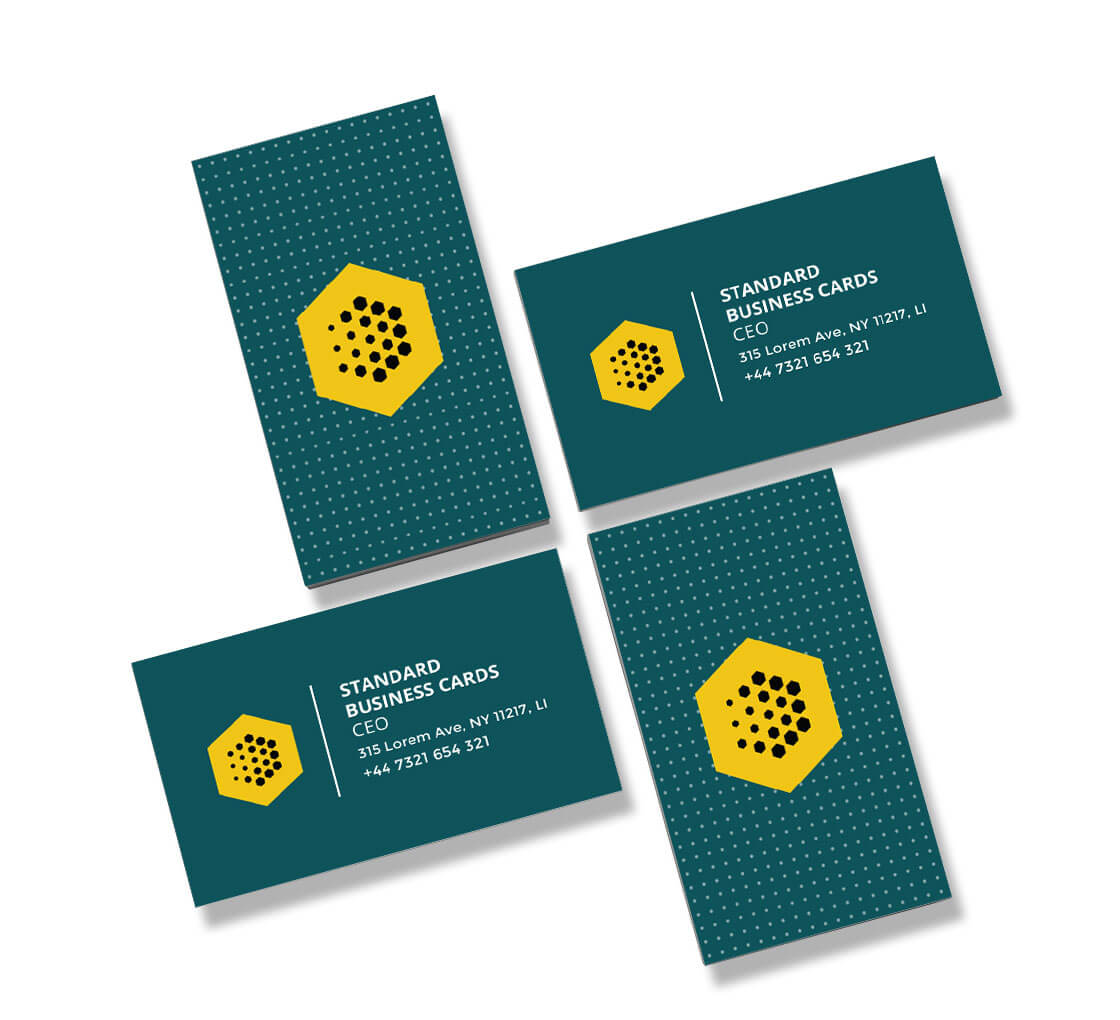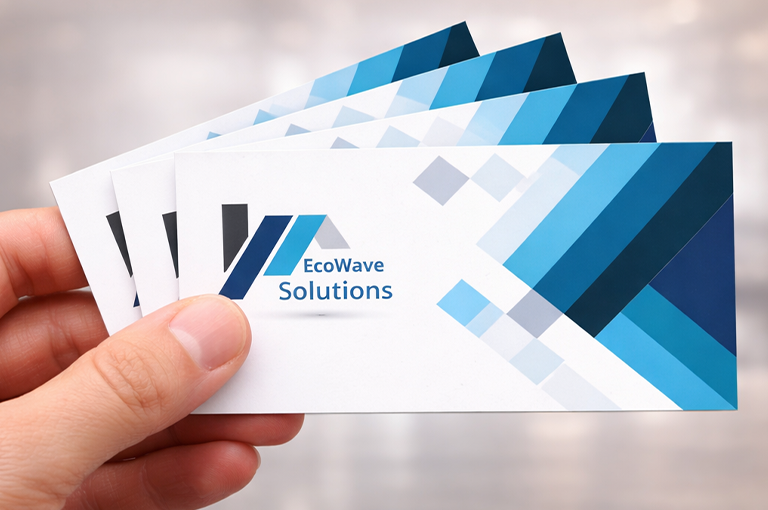



It sure is a day and age of digital communication; however, the only impactful medium tends to be something that can be felt and read, and business cards are one such medium. It doesn’t matter in what kind of setting you are at, it can be a trade show where you are coming across potential clients or you could be participating in local business events, if you pass a business card to people around you, your business tends to reach new demographic and go far and wide. The moment customers receive your card, they get an idea of who you are as a business, how professional you are and how much are you concerned about every detail you are about to list.
Therefore, understanding how to choose the right business card for business helps people remember you as a brand.
In an age dominated by digital communication, business cards continue to play a surprisingly powerful role in professional networking. Whether you are attending trade shows, meeting potential clients, or participating in local business events, a well-designed card creates a lasting first impression. The moment someone receives your card, they instantly form an opinion about your brand, professionalism, and attention to detail.
Understanding how to choose the right business card for business can make a meaningful difference in how people remember your brand. A thoughtfully designed card not only shares your contact information but also reflects your company’s identity and credibility. For exhibitors, marketers, and entrepreneurs who interact with potential clients regularly, the right business card becomes an essential extension of their marketing toolkit.
Popular Products
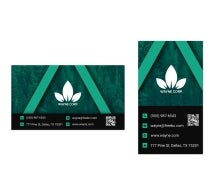

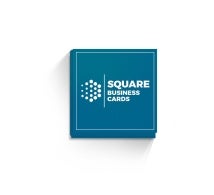
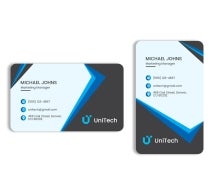

Why Business Cards Still Matter in Marketing
Even in a digital world, face-to-face interactions remain a critical part of building relationships. A physical card provides a tangible reminder of your conversation and helps potential clients recall your brand after the meeting ends.
Professionals often exchange cards at networking events, trade shows, conferences, and client meetings. These situations require a design that is both visually appealing and informative. When done correctly, business cards reinforce your branding while making it easier for prospects to contact you later.
A well-crafted custom business card also helps businesses appear organised and prepared when connecting with new opportunities.
Choosing the Right Size and Dimensions
One of the first factors to consider when designing a business card is its size. The layout determines how comfortably information fits on the card without appearing cluttered.
Many businesses begin with a business card size and dimension guide to understand the standard formats used in professional printing. The most common size is similar to a credit card, which allows it to fit easily into wallets and card holders.
However, businesses sometimes experiment with different shapes and formats to stand out during networking events. Unique layouts can make a strong visual impact when they still maintain clarity and readability.
Selecting the Right Card Finish
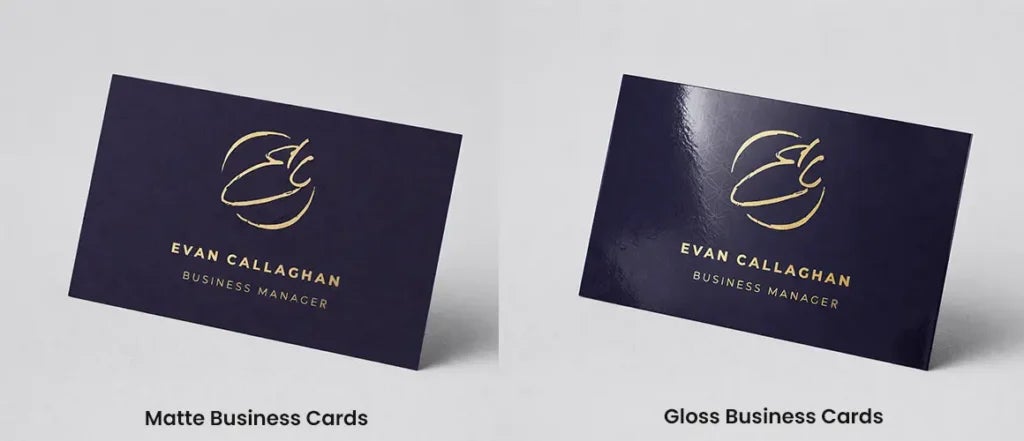
The finish of your card can influence how people perceive your brand. The surface texture affects both appearance and durability, making it an important design decision.
Many businesses compare matte vs. glossy business card: which is better when selecting a finish. Matte cards offer a smooth, non-reflective surface that looks professional and elegant. Glossy cards create a vibrant, polished appearance that enhances colour contrast and visual impact.
The choice often depends on the brand’s personality and the style of graphics used in the design.
Designing a Professional Layout
A well-designed card balances creativity with clarity. Businesses that follow practical tips for designing professional business cards can ensure that their cards look polished while still communicating essential information.
Key design elements include brand colours, logos, typography, and layout spacing. Maintaining consistent branding helps reinforce recognition when people encounter your company across different marketing materials.
A clean design with proper alignment and balanced spacing prevents the card from appearing overcrowded.
Read More: Adhesive Decals vs Non-Adhesive Decals
Deciding What Information to Include
One of the most important considerations is determining what to include in a business card. The goal is to provide relevant information without overwhelming the reader.
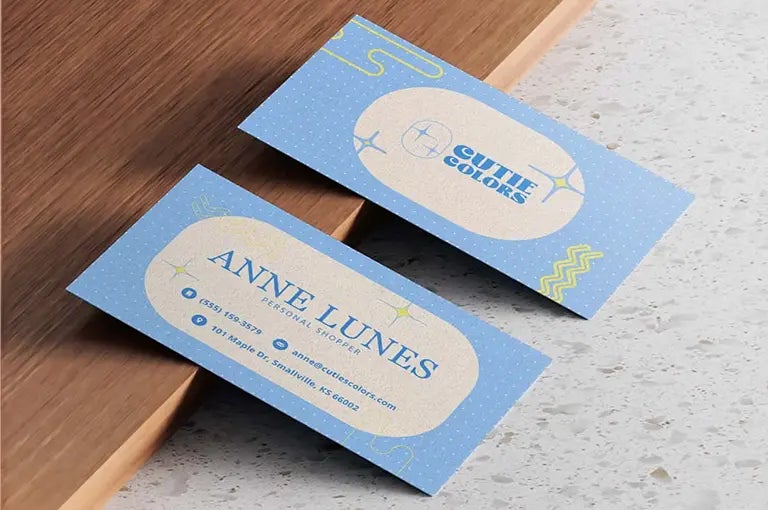
Most professional cards include the individual’s name, job title, company name, phone number, email address, and website. Some businesses also include social media handles or QR codes that direct customers to digital portfolios or landing pages.
Clarity and simplicity should guide the final design.
Choosing Readable Typography
Typography plays a significant role in how easily people can read your card. If the text appears too small or overly decorative, the information may become difficult to interpret.
Understanding the best font size for business card layouts helps maintain readability while preserving visual balance. Most designers recommend using larger fonts for names and slightly smaller fonts for secondary information.
Consistent typography across marketing materials also strengthens brand identity.
Exploring Different Business Card Styles

Businesses today have access to a wide variety of design formats that can match different branding goals. Selecting the right style depends on how much information needs to be displayed and how the card will be used.
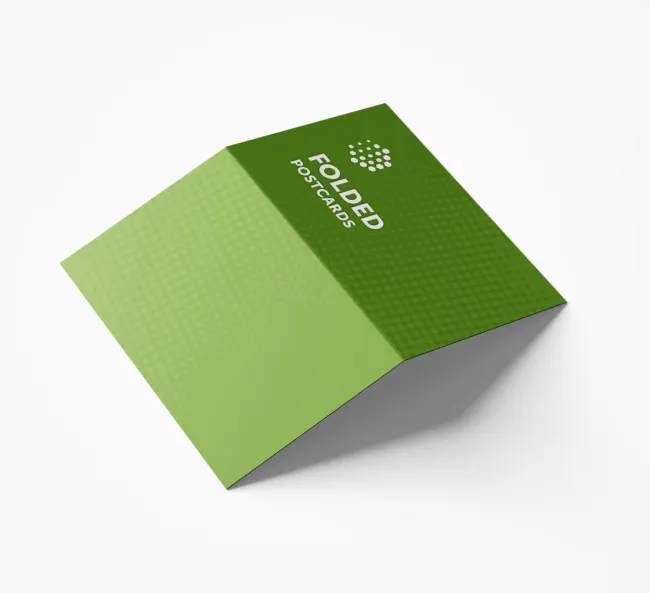
A folded business card is particularly useful for companies that want additional space for product details, service lists, or promotional messages. The extra panel provides flexibility while maintaining a compact format.
Some brands also experiment with creative shapes such as a square business card, which stands out visually among traditional rectangular designs.
Printing Quality and Material Considerations
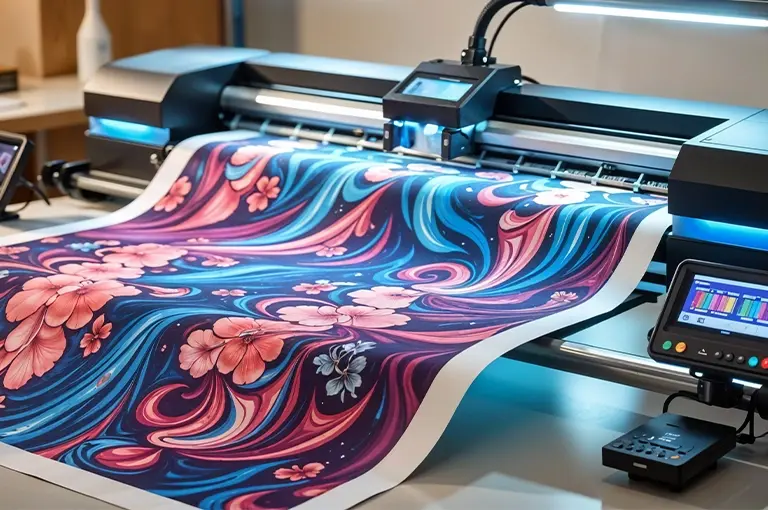
High-quality printing ensures that colours, logos, and text appear crisp and professional. Poor printing quality can negatively impact the perception of your brand.
Businesses seeking affordable custom business card printing should consider factors such as paper thickness, colour accuracy, and finish durability. Selecting the right material ensures the card remains presentable even after being carried in wallets or bags.
Professional business card printing services also provide consistent results across larger print batches, which is especially useful for companies distributing cards at large events.
Customisation for Trade Shows and Events
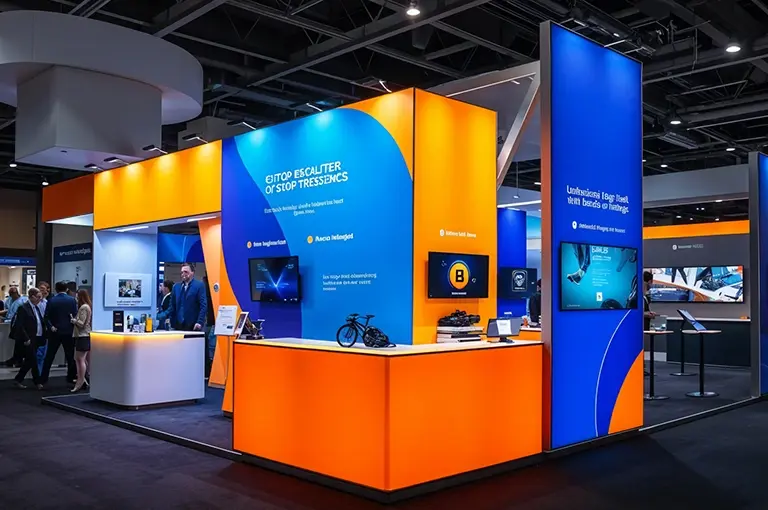
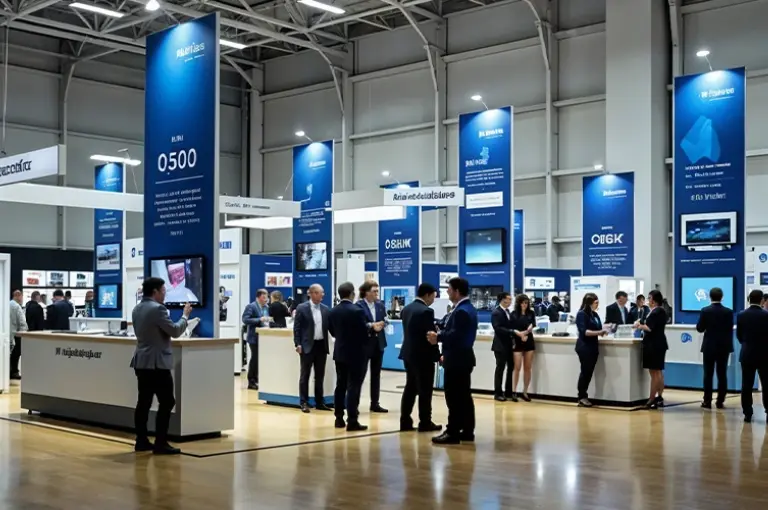
Trade shows and exhibitions present valuable opportunities for networking. Exhibitors often meet dozens or even hundreds of potential clients within a single event.
For these occasions, businesses may choose to create your own business cards with event-specific messaging or promotional elements. Adding a tagline, special offer, or QR code can encourage recipients to follow up after the event.
Customised cards help reinforce the brand experience created by booth displays, banners, and promotional signage.
Integrating Business Cards with Your Marketing Strategy
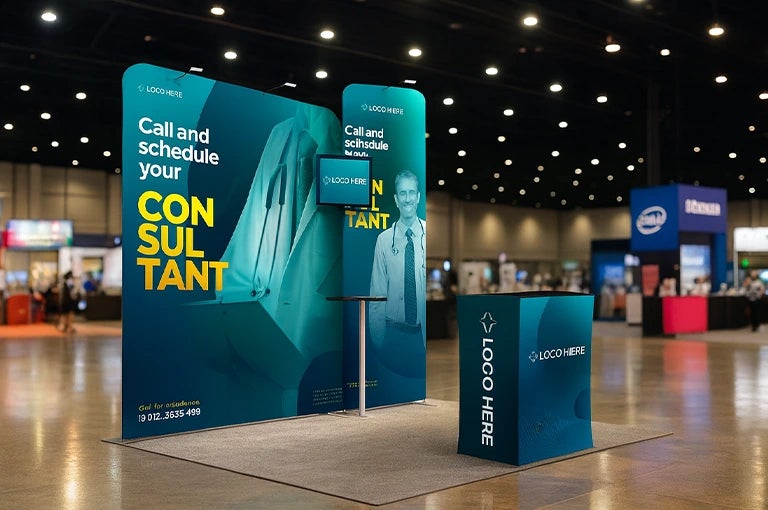
Business cards work best when they are part of a broader marketing ecosystem. Companies that participate in events often coordinate their cards with branded banners, promotional flyers, and booth graphics.
Consistency across these materials ensures that potential customers recognise the brand instantly. Matching colours, typography, and logos create a unified visual identity that strengthens credibility.
For businesses attending trade shows regularly, maintaining this visual consistency can significantly improve brand recall.
Read Also: How to Design a Professional Brochure
Final Thoughts
Choosing the right business card involves more than selecting a design template. It requires thoughtful consideration of branding, readability, material quality, and professional presentation.
A carefully designed card reflects the values and personality of the business behind it. When potential clients receive a well-crafted card, they are more likely to remember the interaction and keep the contact information for future opportunities.
By focusing on clear design, quality printing, and strategic customisation, businesses can transform a simple card into a powerful networking tool.
Whether you opt for a minimalist layout or a creative format, investing in high-quality custom business card solutions ensures your brand leaves a lasting impression long after the conversation ends.