

It is a well-known fact that in the 15th century, Johannes Gutenberg introduced the movable-type press and printed the Gutenberg Bible and transformed how information would spread across multiple societies in the coming years. He paved the way for ideas that could be reproduced with consistency and clarity. Ironically or unironically, this was something that began as a revolutionary method of reproducing religious texts that later evolved into a powerful medium for communication, commerce and branding.
Today, printing dominates and plays a central role in marketing. Every kind of printed material continues to shape brand perception. Therefore, for businesses who dare to invest in all kinds of retail or outdoor promotion, understanding the types of printing in printing industry is vital for them to make informed decisions, as the right techniques influence the overall campaign effectiveness.
In this blog, we will be exploring the most relevant printing techniques that are used across advertising and how one must choose the right methods that align with their marketing needs.
Popular Products





Why Printing Still Matters in Modern Brand Marketing
Even in a digital-first world, physical branding drives engagement that can be in the form of large-format banners, fabric flags, printed gazebos and promotional handouts. These mediums create immersive experiences that even any digital ad cannot replicate and determine whether a passerby stops at your booth or simply walks past it. Choosing the best printing methods for marketing materials does not necessarily involve cost; instead, it’s more about choosing a process that aligns perfectly with your campaign goals, material type, usage, setting and timeline.
Here are some of the most remarkable printing techniques that one should know about.
The Most Common Types of Printing Methods
1. Digital Printing
This method is one of the most adopted printing techniques for businesses today. It transfers digital files directly onto substrates without requiring printing plates. This makes it ideal for short runs and fast turnarounds.
Digital printing is one of the most widely adopted printing techniques for businesses today. It transfers digital files directly onto substrates without requiring printing plates, making it ideal for short runs and fast turnarounds.
For exhibitors and event marketers, digital printing supports quick production of posters, promotional boards, and seasonal graphics. It is especially effective for custom banner printing when you need vibrant colors and tight deadlines.
Digital printing works well for:
- Trade show backdrops
- Step-and-repeat banners
- Temporary retail signage
- Event posters
Its flexibility makes it a leading choice among printing techniques for banners and signage, particularly for short-term campaigns and limited-quantity orders.
2. UV Printing: Durability for Outdoor Promotions

UV printing uses ultraviolet light to instantly cure ink as it is printed onto a surface. This creates sharp images that resists fading, scratching and intense weather conditions. Long-term outdoor branding calls for a guide to UV printing, as it is ideal for rigid materials such as acrylic boards, foam boards and PVC panels that are commonly used in storefront displays. Brands frequently rely on UV technology for printing advertising materials that must withstand adverse weather conditions. They deliver crisp details that are great for promotions.
3. Screen Printing: High Volume Consistency
Screen printing involves pushing ink through a mesh stencil onto a surface. Although it is not one of the latest technologies, it still remains effective for bulk production. For promotional merchandise and event apparel, screen printing ensures consistent output across large quantities. It is also used for specific fabric applications in display graphics. When evaluating the types of printing in printing industry, screen printing stands out for cost-efficiency in large runs. However, the only drawback is that it may not be the fastest solution for short deadlines or highly detailed multi-color graphics.
4. Dye-Sublimation Printing

Dye-sublimation is widely used for fabric-based branding solutions. The ink turns into gas under heat and bonds directly with polyester fibers, resulting in great, high-quality prints. For exhibition setups, this technique is particularly relevant for banners and signage that involve soft materials. The output is wrinkle-free, washable and fade-resistant displays.
Dye-sublimation is commonly used in:
- Fabric backdrop displays
- Table covers
- Pop-up booth graphics
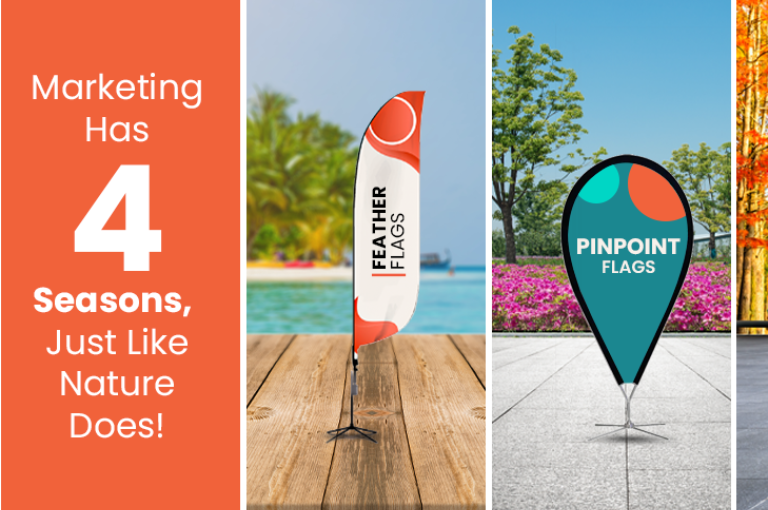
- Custom flag printing
5. Offset Printing
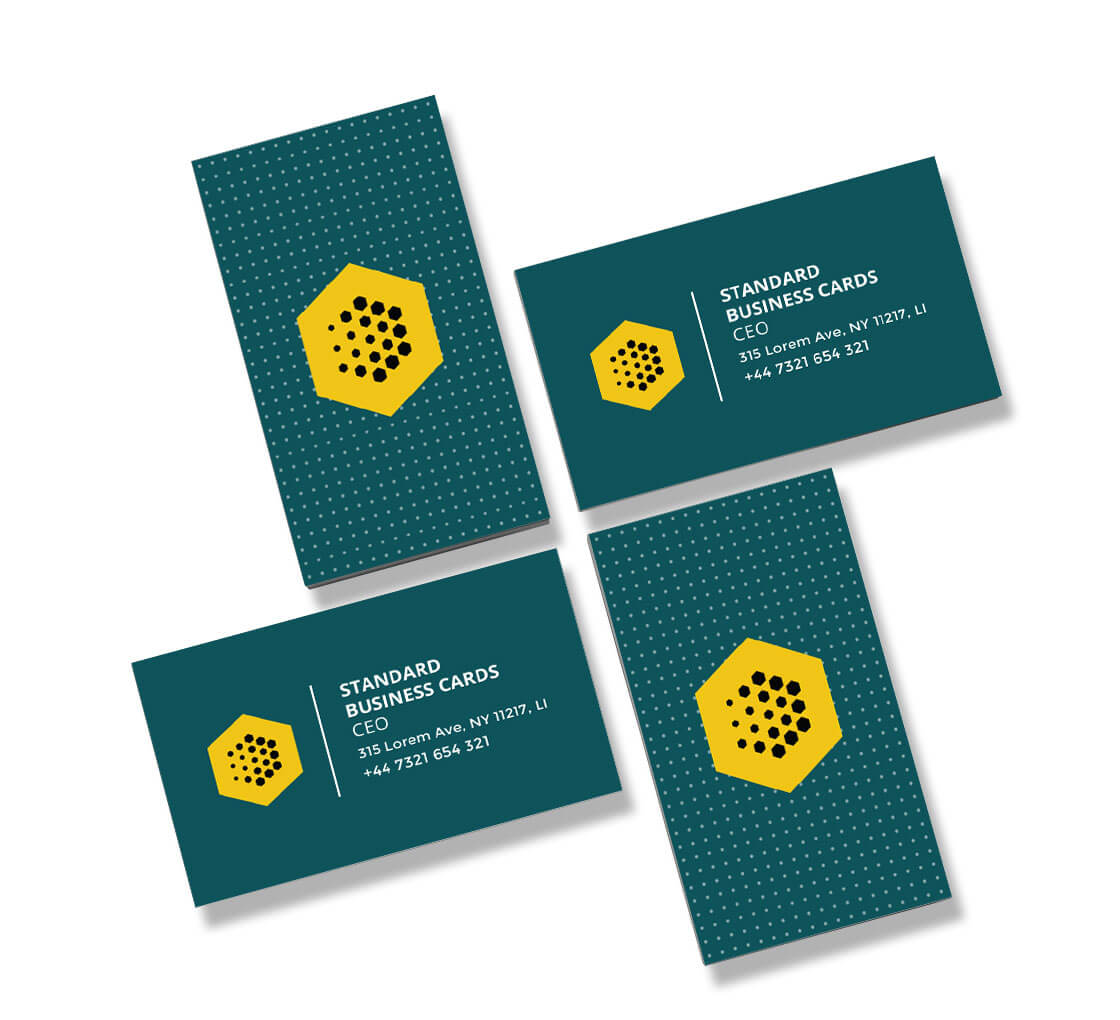
Offset printing uses metal plates to transfer ink onto rubber blankets before applying it to paper. This technique is known for its exceptional color accuracy and sharp detail. For companies investing in business cards printing or high-volume brochures, offset printing is something the often consider, asthey offer apt results. Similarly, flyers printing in large quantities often benefits from offset processes, especially when brands require premium finishes or specialty inks.
6. Large-Format Printing
Large-format printing is designed specifically for oversized graphics used in events and outdoor promotions. It supports materials such as vinyl, mesh, fabric and adhesive films. For trade show exhibitors, large-format digital systems enable impactful custom banner printing with high-resolution graphics. These systems are optimized to handle oversized artwork without compromising clarity. This category plays a crucial role in printing techniques used in advertising, especially for:
- Billboards
- Outdoor hoardings
- Event stage backdrops
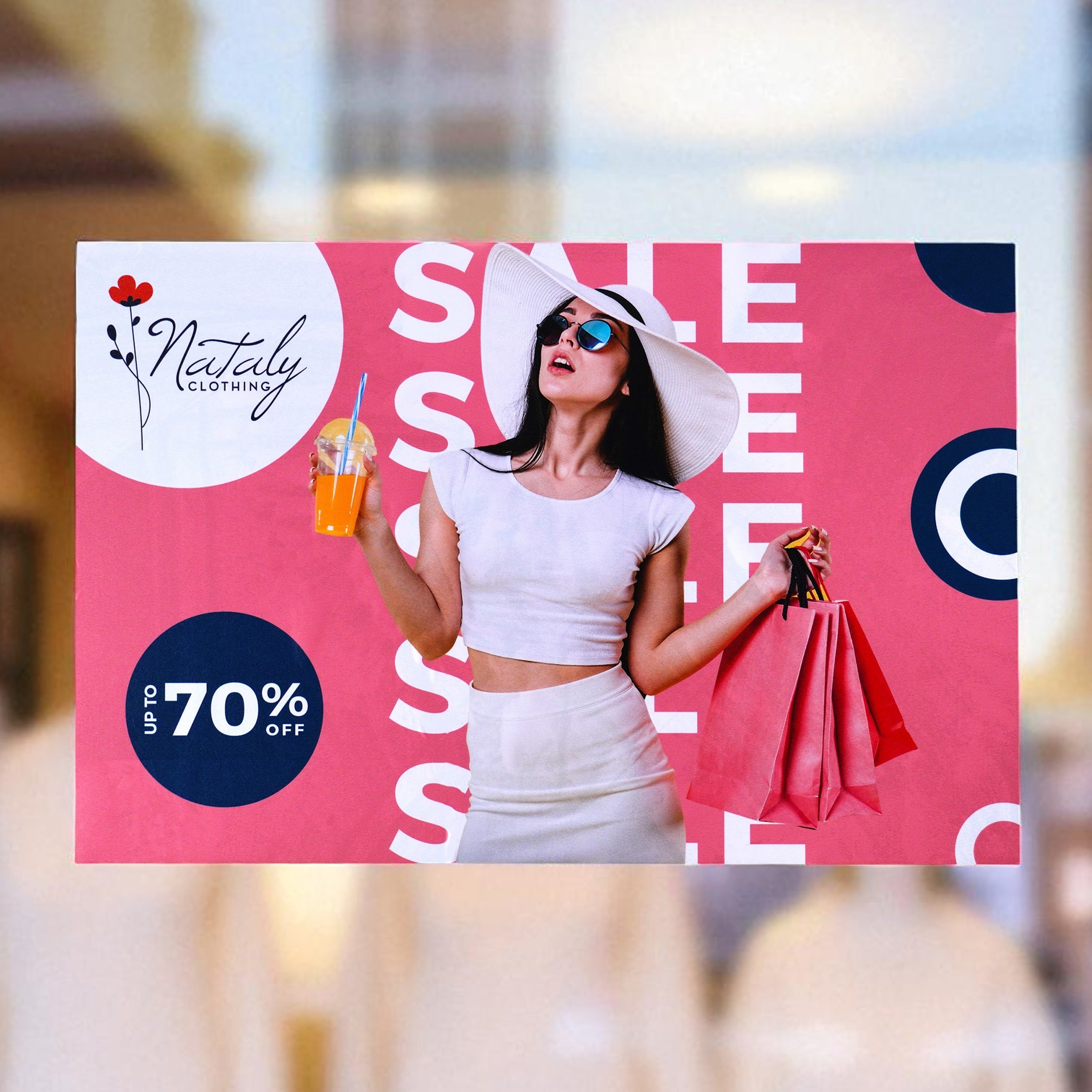
- Retail window graphics
Choosing the Right Printing Method
Selecting the right approach depends on several practical factors. A structured printing method selection guide should consider:
- Material type: Fabric, vinyl, paper, or rigid board
- Usage environment: Indoor or outdoor exposure
- Quantity required: Small batch or bulk production
- Turnaround time: Urgent event deadline or planned rollout
- Design complexity: Simple logo or high-resolution imagery
While fabric booth displays may require dye-sublimation, outdoor signboards, on the other hand, may benefit from UV printing. Event handouts may require offset or digital depending on quantity. The most effective printing techniques for businesses align production capabilities with campaign objectives rather than focusing solely on budget.
Image Quality and File Preparation
Even the most advanced printing system cannot compensate for poor artwork preparation. Blurry images, pixelation and color mismatches can weaken brand credibility at events. Therefore, it is important to understand how to fix low-resolution images before they are further sent to be printed. Businesses should ensure:
- Images are at least 150–300 DPI for large prints
- Files are designed in correct dimensions
- Colors are converted to CMYK when required
- Fonts are outlined or embedded
High-quality files ensure that printing advertising materials reflect your brand professionally across all display formats.
Read More: Simple Design Tips for Crafting Your Custom Banner
The Strategic Role of Printing in Brand Growth
Printing is not merely a production step; it is a strategic marketing decision. From first impressions at trade fairs to everyday storefront branding, physical displays influence how customers perceive professionalism and reliability. Understanding the types of printing in printing industry allows marketers to align visual output with campaign goals. It also helps businesses avoid costly reprints caused by incorrect material or method selection. When you evaluate the best printing methods for marketing materials, consider performance, environment, and brand consistency rather than just speed or price.
Conclusion
From the groundbreaking innovation behind the Gutenberg Bible to today’s advanced digital and UV technologies, printing has continuously evolved to meet communication needs. In modern brand marketing, it remains one of the most powerful tools for visibility and engagement.
By understanding the various printing techniques used in advertising, businesses can confidently select solutions that enhance trade show displays, outdoor promotions, and in-store branding. Whether it is custom banner printing for an exhibition or business cards printing for networking events, the right method ensures durability, clarity, and impact.
In competitive event environments, the difference between being noticed and being overlooked often comes down to how effectively your brand is printed and presented.