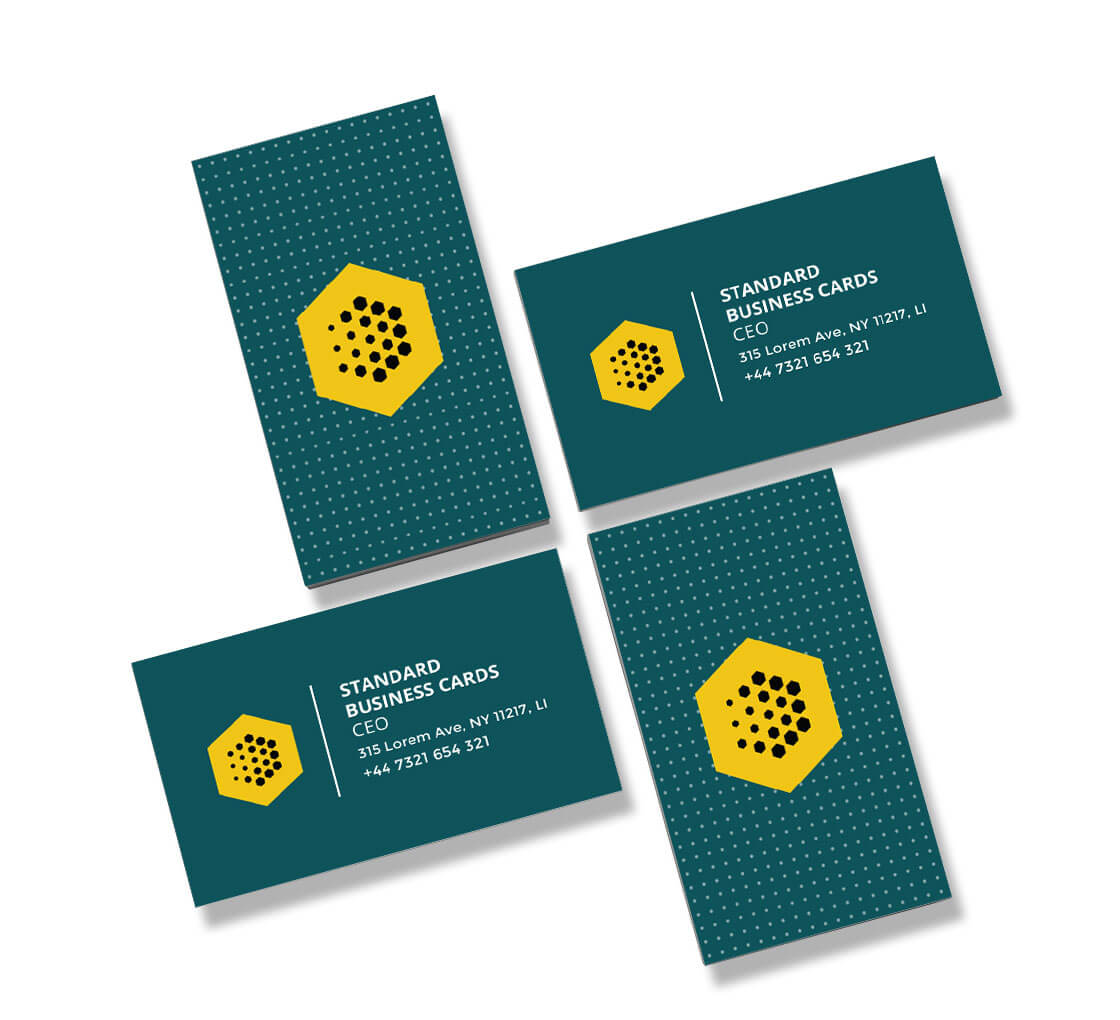



In a fast-paced digital world, business cards remain one of the most effective tools for personal and professional networking. Whether exchanged at trade shows, exhibitions, or client meetings, a well-designed card creates a lasting impression that goes beyond a simple introduction. For businesses and marketers, understanding how to design professional business cards is essential to ensure every interaction reflects brand identity and credibility.
A thoughtfully crafted card not only shares contact details but also communicates brand values, professionalism, and attention to detail. When designed correctly, it becomes a compact marketing tool that supports brand recall long after the initial interaction.
Popular Products

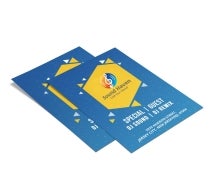
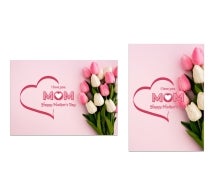
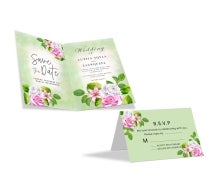
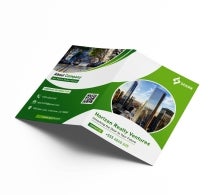
Design Elements That Make Business Cards Clear and Memorable
1. Start with a Clear Purpose and Brand Identity
Before focusing on visual elements, it is important to define the purpose of your card. Are you promoting services at a trade show, introducing your brand to new clients, or supporting an ongoing marketing campaign? This clarity helps guide design decisions and ensures consistency with your broader branding strategy.
Businesses investing in custom business cards often achieve better results because they align the design with their brand voice and messaging. From logo placement to colour choices, every element should reflect your company’s identity.
Consistency is particularly important for exhibitors who rely on multiple touchpoints such as banners, booths, and printed materials. A business card should seamlessly fit into this ecosystem, reinforcing your overall brand presence.
2. Focus on Layout and Readability

A well-structured layout ensures that your card is easy to read and visually appealing. Overcrowding the design with too much information can reduce clarity and make it difficult for recipients to find key details.
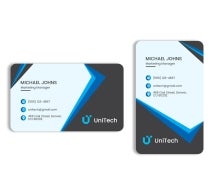
Choosing the best layout for business cards involves prioritizing essential information such as your name, designation, contact details, and company logo. White space plays a crucial role in improving readability and giving the design a clean, professional look.
Consider aligning text and graphics in a way that naturally guides the reader’s eye. A balanced layout not only improves usability but also enhances the overall aesthetic of the card.
3. Choose the Right Fonts and Colours
Typography and colour selection are critical elements that influence how your brand is perceived. The best fonts and colours for business cards should reflect your industry while maintaining readability and professionalism.
For example, corporate brands often prefer clean, sans-serif fonts paired with neutral or brand-specific colours. Creative businesses may experiment with bolder typography and vibrant palettes, but clarity should never be compromised.
Contrast is equally important. Text should stand out clearly against the background to ensure information is easy to read under different lighting conditions, especially during busy events or exhibitions.
4. Explore Double-Sided Designs for More Impact

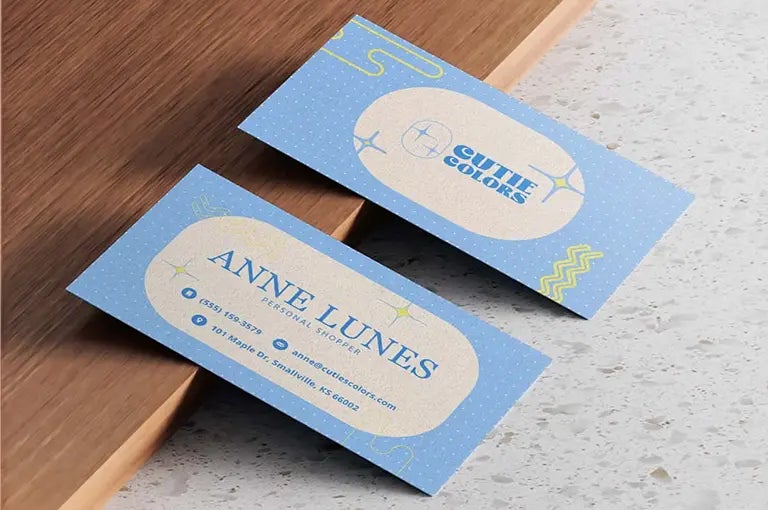
A single-sided card can sometimes limit the amount of information you can include. Using both sides of the card allows you to expand your messaging without overcrowding the design.
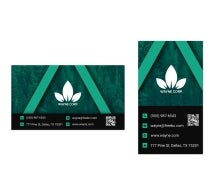
Applying double-sided business card design tips can help you use this extra space effectively. One side can feature your logo and brand identity, while the other can include contact details, services, or a call to action.
This approach is particularly useful for businesses that want to highlight multiple offerings or provide additional information such as social media handles or QR codes.
5. Stay Updated with Modern Design Trends
Keeping up with modern business card design trends can help your card stand out in competitive environments like trade shows and networking events. Minimalist designs, bold typography, and subtle textures are increasingly popular among brands looking to create a contemporary look.
However, trends should be used thoughtfully. While it is beneficial to incorporate modern elements, the design should still align with your brand identity and remain timeless enough to stay relevant over time.
A well-balanced approach ensures your card looks current without becoming outdated too quickly.
Read Also: How to Choose the Right Business Card
6. Consider Unique Formats and Styles
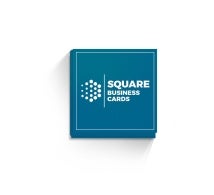
Traditional rectangular cards are widely used, but exploring different formats can help your brand stand out. Options such as square business card designs offer a modern and distinctive look that captures attention instantly.
Similarly, folded business cards provide additional space for storytelling, product information, or promotional messaging. These formats are particularly useful for exhibitors who want to share more detailed information without relying on additional printed materials.
Unique shapes and layouts can enhance visual appeal, but they should still remain practical and easy to store.
7. Prioritize Material Quality and Finish
The quality of your card reflects the quality of your brand. Investing in premium business cards with durable materials and refined finishes can significantly enhance the perceived value of your business.
Options such as matte, gloss, or textured finishes add a tactile element that makes the card more memorable. High-quality materials also ensure that the card remains intact even after being carried in wallets or bags.
For businesses participating in multiple events, durable cards maintain a professional appearance throughout extended use.
8. Incorporate Sustainable Design Choices
Sustainability is becoming increasingly important for businesses and consumers alike. Choosing eco-friendly business cards demonstrates a commitment to responsible practices while appealing to environmentally conscious audiences.
Using recycled materials or sustainable printing methods supports an eco-friendly business card design without compromising quality or visual appeal. These choices can also strengthen your brand’s reputation and align with broader sustainability goals.
For companies that prioritize environmental responsibility, this approach adds meaningful value to their marketing materials.
9. Align with Your Overall Event Strategy
Business cards should not be treated as standalone items. Instead, they should complement your overall event marketing strategy. From booth displays to banners and promotional materials, every element should work together to create a cohesive brand experience.
When you design your own business cards, consider how they will be used alongside other marketing assets. For example, the colours and fonts on your card should match those used on your trade show booth or signage.
This consistency reinforces brand recognition and ensures that your business leaves a strong and unified impression on potential customers.
10. Ensure High-Quality Printing for Best Results
Even the best design can lose its impact if the printing quality is poor. Professional business card printing ensures that colours appear vibrant, text remains sharp, and materials meet high standards.
Working with reliable printing providers allows businesses to achieve consistent results across all their marketing materials. This is particularly important for companies that frequently participate in events and require large quantities of cards.
High-quality printing also enhances durability, ensuring that your cards maintain their appearance over time.
Final Thoughts
A well-designed business card is more than just a contact tool – it is an extension of your brand and a key component of your marketing strategy. From layout and typography to materials and finishes, every detail plays a role in shaping how your business is perceived.
By focusing on clarity, consistency, and quality, businesses can create cards that leave a lasting impression in any professional setting. Whether you are networking at trade shows, meeting potential clients, or supporting promotional campaigns, a thoughtfully designed card can make a meaningful difference.
With the right approach, business cards become more than just printed materials – they become powerful tools that support brand visibility, strengthen connections, and drive long-term engagement.