


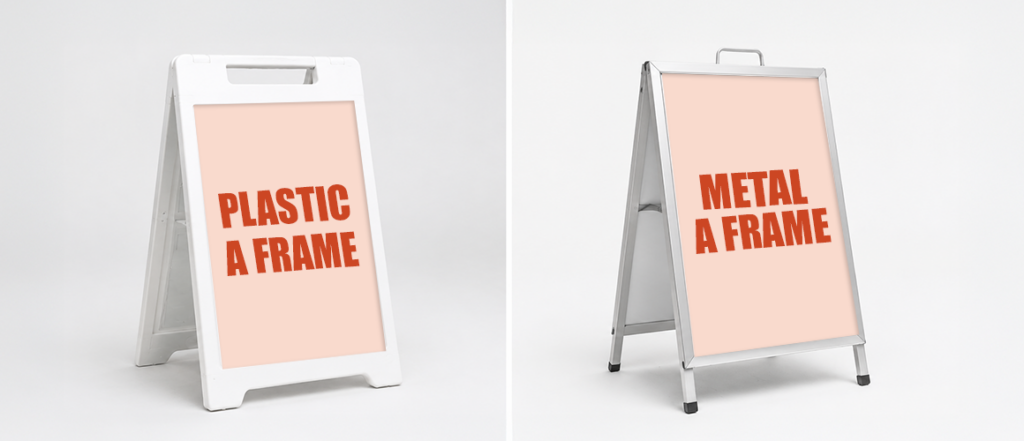
If you walk down any busy main street during lunch hour, you will see folding pavement signs everywhere. Coffee shops use them to pitch morning espresso specials, retail boutiques use them to announce flash sales, and real estate agents rely on them to point people toward open houses. They work because they sit directly in the walk path of potential customers.
When you start looking to buy one for your own business, you will quickly hit a fork on the road: should you pick heavy-duty plastic or classic metal? Both options get eyes on your brand, but they behave very differently once you put them out on the pavement every morning. When you start comparing options, the head-to-head debate between plastic vs. metal A-frame board signs usually comes down to your local weather and how often you move them.
Let us break down how each material performs in the real world so you can pick the right board for your storefront.
Popular Products


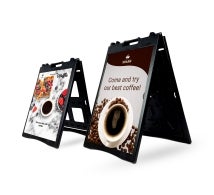
What Makes Pavement Signs So Effective?
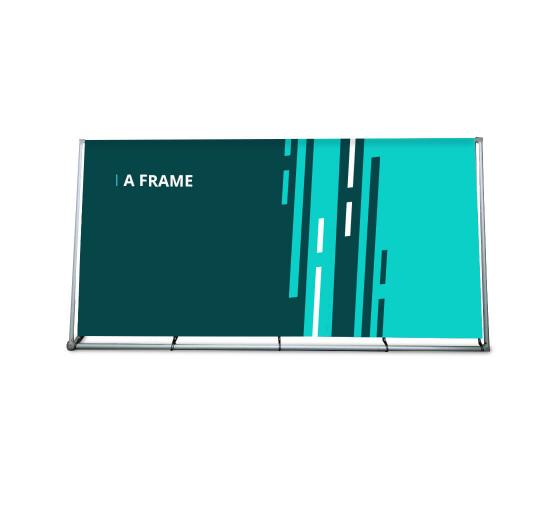
Before jumping into frame materials, it helps to look at why these simple setups drive so much foot traffic. A standard A-frame sign gets its name from that classic triangular shape it forms when you pop it open on the sidewalk. They stand on their own, fold flat for easy storage, and do not require permanent mounting hardware or municipal permits in most cities.
To buy A-frame signs means giving small business owners a quick way to change marketing messages without spending a fortune on billboard space or digital ads. But because these boards sit outside all day, they take a beating from rain, sun, wind, and the occasional bumped elbow. That is where material choice really starts to matter.
Understanding Plastic A-Frame Signs
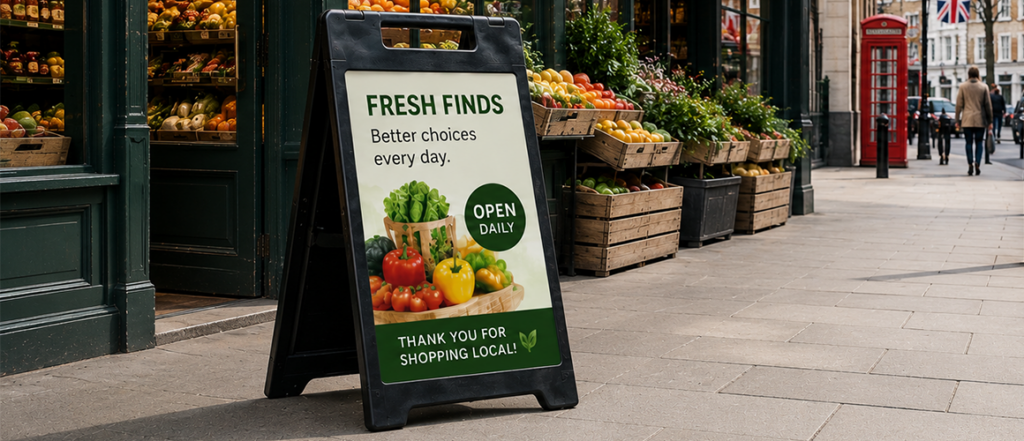
Molded plastic frames are a common sight outside gas stations, convenience stores, and fast-casual eateries. Most of these models use high-density polyethylene, which is a tough, thick plastic built to take accidental knocks without cracking.
1. Zero Rust and Maximum Weather Defense
Rain and humidity are brutal on street-level displays. If you constantly battle heavy downpours, you might wonder which A-frame sign is best for outdoor use during stormy months. Molded plastic takes the win here because high-density polyethylene never rusts, warps or rots. You can leave it out in pouring rain, sea salt mist, or winter slush without worrying about paint flaking off or metal corroding.
2. High-Contrast Frame Options
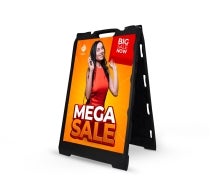
How your frame looks against your graphic insert plays a big role in getting noticed. Choosing a plastic A-frame sign – white gives your business a bright background that catches eyes from down the street. It works exceptionally well for colorful lunch specials or vibrant event flyers. On the flip side, a plastic A-frame sign – black offers a clean frame that makes bold graphics pop. Black frames bring a sharp contrast that looks great outside modern shops and professional offices.
3. Lightweight Handling with Fillable Weight
When your shift ends and it is time to bring everything inside, knowing which sign is easy to carry makes a huge difference for your team. Empty plastic frames are light enough for anyone on your crew to move around effortlessly.
When you need extra stability on breezy afternoons, you do not have to stack heavy concrete rocks on the feet. Most plastic models feature hollow inside tanks that you can fill with sand or water. This ballast system gives you the heavy stability of a metal unit during business hours, but lets you drain the weight whenever you need to transport the sign to a new location.
Read Also: How to Choose the Right A-Frame Sign for Your Business
Understanding Metal A-Frame Signs
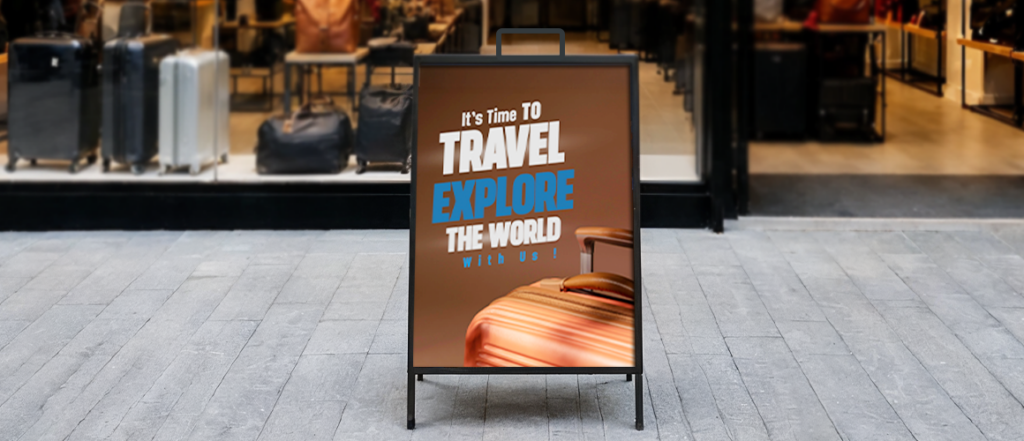
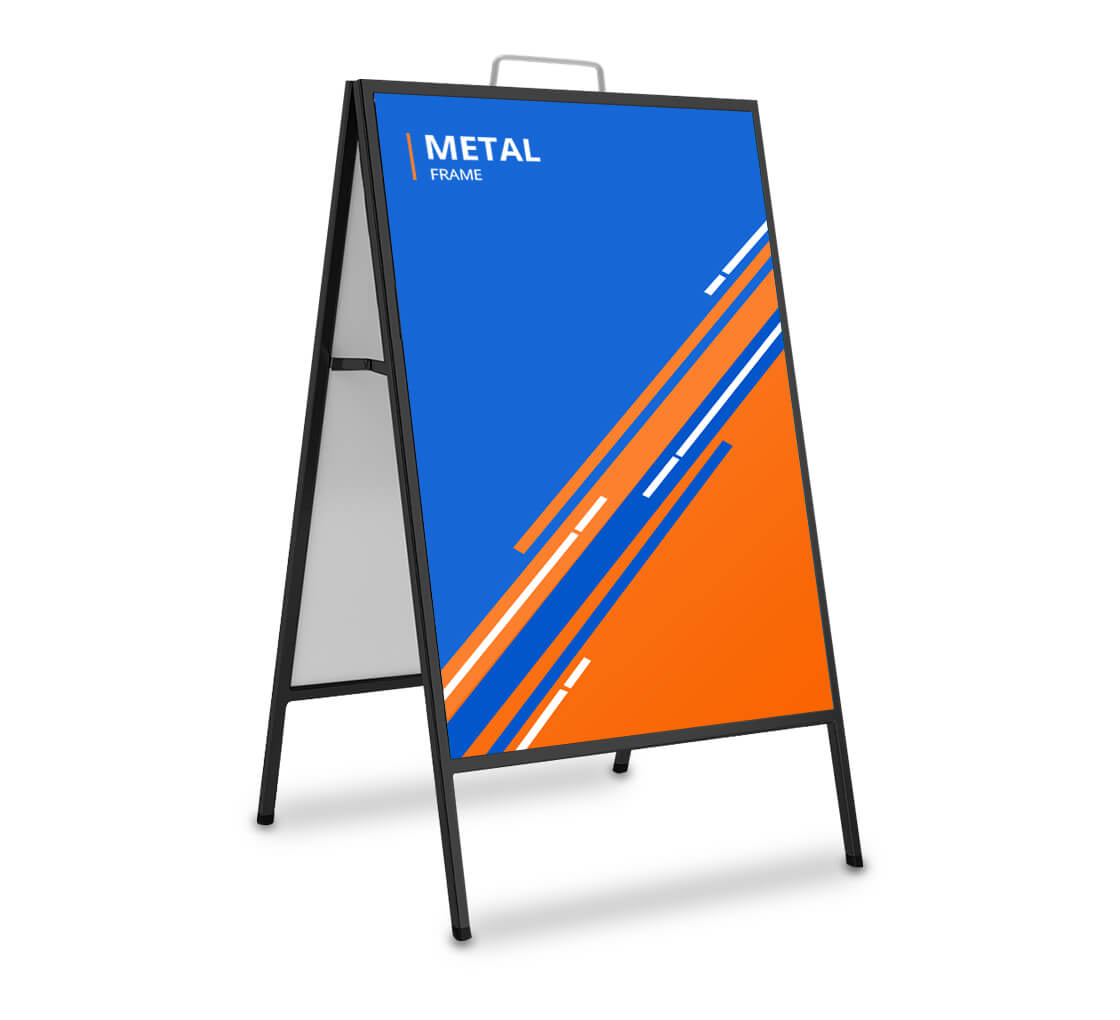
Metal frame displays usually consist of powder-coated steel or lightweight aluminum tubing. They offer a slim, minimal footprint that fits neatly against narrow sidewalks and brick facades.
1. Built-in Weight and Wind Stability
Metal frames carry natural structural weight right out of the box. A powder-coated metal A-frame sign brings serious weight and stability to windy street corners. Because the frame itself is heavy, you do not need to worry about pouring sand or filling water tanks before setting it outside. It stands firm against strong crosswinds and sudden gusts caused by passing trucks.
2. Toughness Under Daily Wear and Tear
Store owners who handle their equipment roughly often ask which A-frame sign lasts longer over years of daily abuse. Heavy-gauge steel frames excel at resisting physical bending, snap breaks, and corner splits. Even if someone accidentally knocks a metal frame onto the pavement, the core structure remains intact and functional.
3. Clean, Modern Aesthetic
Metal frames feature thin borders that keep all the attention centered on your poster or message panel. If you run an upscale hair salon, an art gallery, or a high-end bistro, a thin steel frame provides a sleek, industrial look that matches modern storefront architecture.
Side-by-Side Material Comparison
To help you compare your options quickly, here is a simple sign material comparison breaking down performance across key daily tasks:
| Feature | High-Density Plastic | Powder-Coated Metal |
| Water & Weather Protection | 100% waterproof, complete rust resistance | Highly water-resistant, but scratches can lead to rust |
| Wind Performance | Excellent when internal tanks are filled with sand or water | Strong natural weight stability straight out of the box |
| Portability | Very light when ballast tanks are empty | Noticeably heavier, but simple to move short distances |
| Visual Style | Bold, solid border with high visibility | Slim, minimalist, industrial look |
| Graphic Loading | Quick drop-in tabs or snap-in slots | Snap-open clip edges or top-loading slide channels |
Flexible Message Options for Changing Promotions
Beyond choosing between plastic and metal bases, think about how often your core messaging changes. You do not always have to print full-color posters every time you offer a new deal.
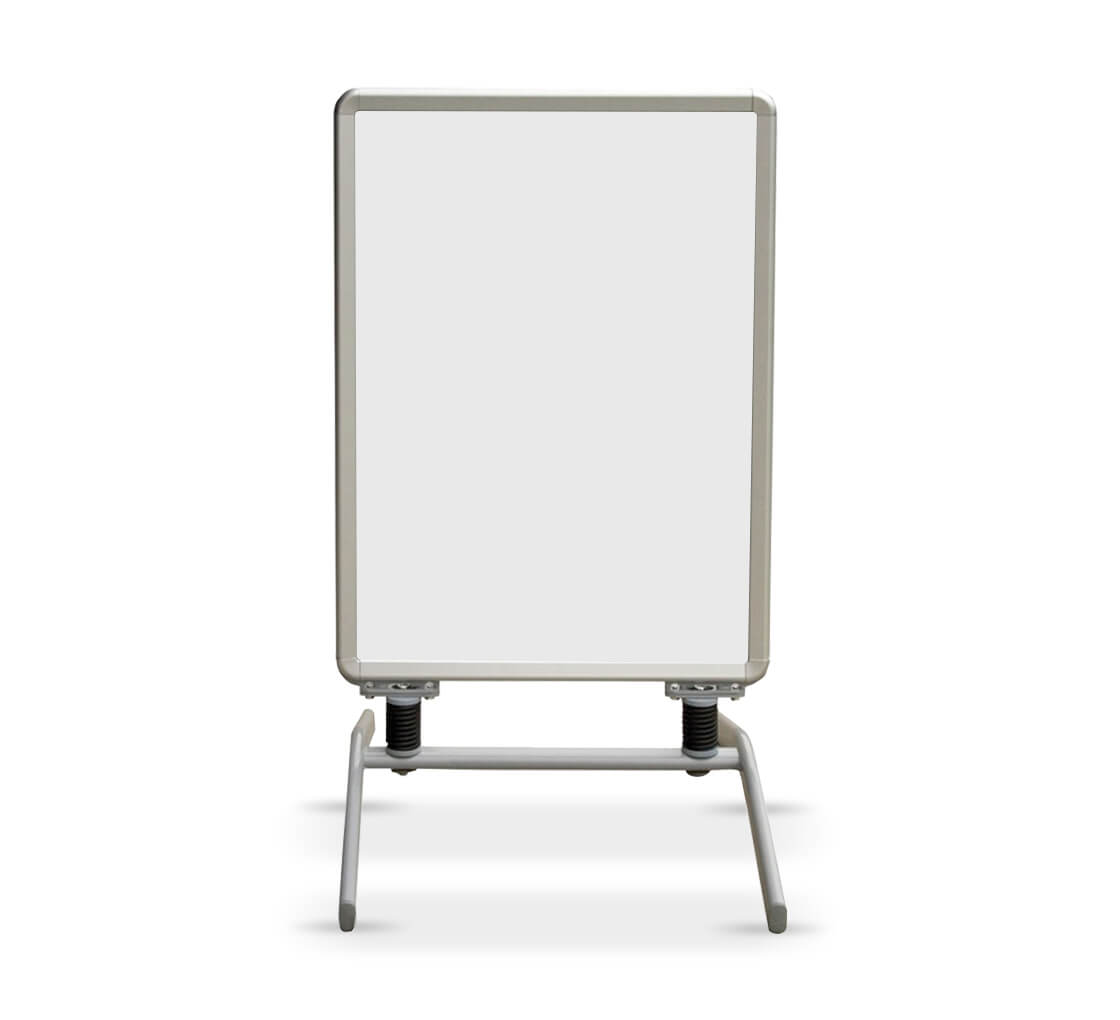
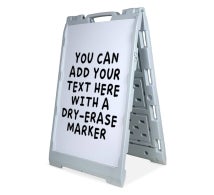
If your menu or daily specials change every few hours, a dry erase A-board sign gives you instant updates without reprinting panels. You can write down soup of the day specials, flash sales, or event schedules in seconds using dry-erase markers, then wipe the board clean at night.
Setting up a portable pavement sign outside your front door helps catch foot traffic before people walk right past your business. Whether you use slide-in printed posters, chalkboards, or marker boards, placing your message right at eye level guarantees more walk-in customers.
Which Material Is Right for You?
You might still be figuring out what is the best material for A-frame signs based on your specific shop front. To narrow it down, ask yourself a few practical questions:
- What is your local weather like? If you deal with heavy rain, snow, or coastal air, plastic eliminates all worries about rust and corrosion.
- How windy is your sidewalk? If your shop sits on a breezy corner and you do not want to mess with filling water tanks, metal stays upright naturally.
- Who opens and closes the shop? If your staff prefers a lightweight frame that folds up quickly, hollow plastic is the easiest option to haul inside.
- What style fits your store? Metal offers a clean, low-profile frame for high-end shops, while plastic offers vibrant, high-visibility frames for high-traffic retail.
Read More: A-Frame Signs vs. Pavement Signs vs. Sandwich Boards: What’s the Difference?
Final Verdict
To decide which A-frame sign is better for your daily operations, look closely at your local weather and staffing. Plastic models win on versatility, total weatherproofing, and overall convenience. Metal models lead the pack when you want a heavy, rock-solid frame with a slim profile.
When you are ready to purchase your signs for your storefront, make sure to measure your sidewalk space first. Checking out commercial A-frame signs for sale online will give you a clear idea of sizes and graphic insert styles so you can pick the exact match for your business.