




Picture an event entrance filled with people walking in quickly, lines forming on the spot, and staff working to guide everyone properly. This is exactly where crowd control barriers help restore order in the space. A crowd control barrier is a simple yet powerful tool that supports smooth movement, organizes waiting lines, and keeps people safe in busy environments.
You see them at concerts, airports, exhibitions, stores, and public gatherings. When used correctly, they reduce confusion and create clear paths for visitors. Barriers remove confusion by showing people exactly where to stand or move, without relying on ongoing announcements.
They also make it easier for staff to manage crowds without added pressure. Whether you are organising a large event or controlling everyday foot traffic, using barriers with purpose can improve how people move through your space. This crowd control barrier guide explains how to use them effectively and highlights the value of careful planning and positioning.
Popular Products


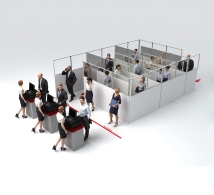
What are Crowd Control Barriers and Why They Matter
Crowd control barriers act as physical guides that help people move in the right direction and stay within defined areas. They arrange lines, block off restricted spaces, and control walking paths during peak times. Without these systems, crowd flow can become messy and unsafe.
People may move ahead too quickly, stand in incorrect areas, or block key walkways. Barriers provide clear visual guidance that shows where to walk and where to wait. This helps staff manage crowds more easily and keeps visitors relaxed. When used with a clear purpose, these barriers help create smooth flow and better crowd control.
Planning Before You Set Up Barriers
Good planning makes barrier placement more effective. Understanding how to place crowd control barriers for safety begins with studying the space and knowing how people will enter, move through, and exit the area. Identify high-traffic areas, tight walking spaces, and points where lines are most likely to appear. Estimate attendance so you can arrange enough barriers. Proper planning also prevents important exits and access paths from being blocked. When you map out the layout in advance, you reduce last-minute changes and confusion. A well-prepared plan supports quicker staff action and ensures steady crowd movement.
Choosing the Right Type of Barrier
Crowd control barriers vary, and choosing the proper style can make a noticeable difference in managing crowds. Some common options are:
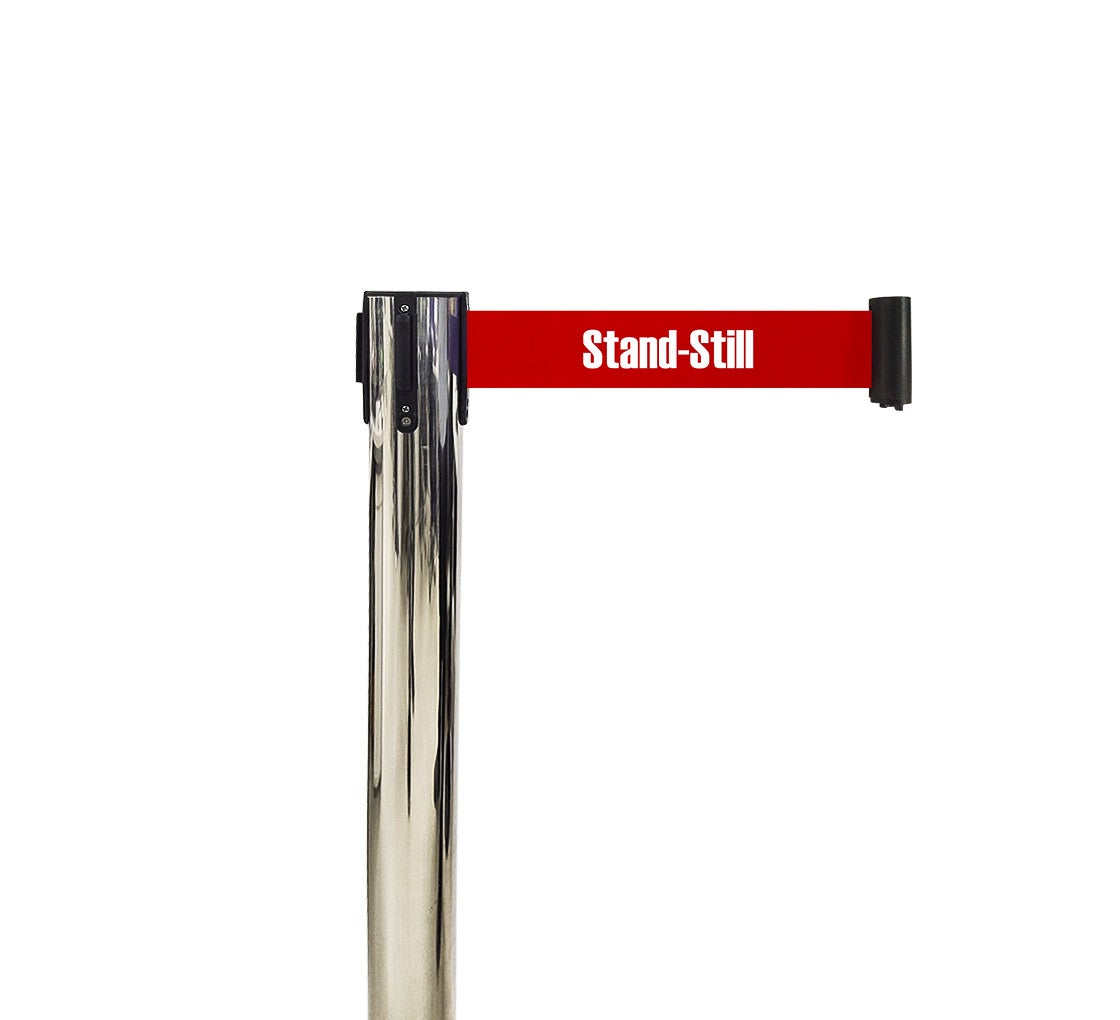
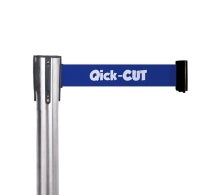
Retractable Barriers: Indoor areas often use a retractable barrier system, which lets staff change the length of lines as needed. You often see these in airports, banks, and trade shows.
Metal Barricades: These are heavy and sturdy. These barriers are commonly used outdoors for concerts, parades, and street festivals. They link together to form a strong fence that can handle large groups. Many event planners prefer portable crowd barriers because they are easy to move and store when not in use.

Stanchions with Belts: Formal events may use crowd control stanchinos with velvet rope to create a clean and professional look while still guiding people in an organized way.
Rope Barriers: These provide a stylish and refined appearance for formal occasions. Velvet or colored ropes connect posts to guide queues without making the space look too industrial.
Plastic Barriers: Lightweight and easy to move, these are good for short-term needs like school functions or community fairs.
When selecting barriers, think about the crowd size, location, and how long the setup will be needed.
Read More: What are the Benefits of Printed Gazebos
Placing Barriers for Maximum Effect
Where you place your crowd control barriers influences how well they work. Proper placement improves flow and makes the space easier to manage, especially during peak hours. The following step-by-step guide to using crowd control barriers can help staff set up barriers correctly and prevent common errors.
- Mark clear entry and exit points so people do not get confused.
- Set up walking paths that guide people gently, avoiding tight turns or sudden pauses.
- Allow enough space between barriers so people can stand comfortably.
- Avoid blind spots by making sure barriers are visible from a distance.
- Keep emergency routes clear at all times.
Using Signs and Staff with Barriers
Barriers work best when supported by clear signs and helpful staff. Signs show people where lines begin, what the line is for, and what to prepare in advance. Team members guide attendees, respond to queries, and manage crowd flow near the barriers.
When paired with a retractable belt barrier, staff can quickly adjust line directions and waiting areas without moving heavy equipment. This flexibility is helpful during rush hours or unexpected crowd surges. Together, signs, staff, and barrier systems create a smooth experience that feels organised instead of rushed or chaotic.
Handling Unexpected Crowds
Even with strong planning, crowds can grow faster than expected. This is common during sales events, concerts, and outdoor gatherings. Using crowd control barriers for public events and festivals allows organizers to react quickly by expanding waiting areas or redirecting foot traffic.
Keeping extra barriers on hand helps staff adjust layouts without delay. Watching crowd behavior also helps identify pressure points where people gather or slow down. Making quick layout changes keeps movement steady and prevents unsafe crowd buildup.
Special Uses of Crowd Control Barriers
Crowd control barriers are useful for more than forming lines. They can guide foot traffic away from vehicle paths, block off restricted zones, and create temporary waiting areas. Backstage spaces at shows often use barriers to keep fans away from staff-only entrances.
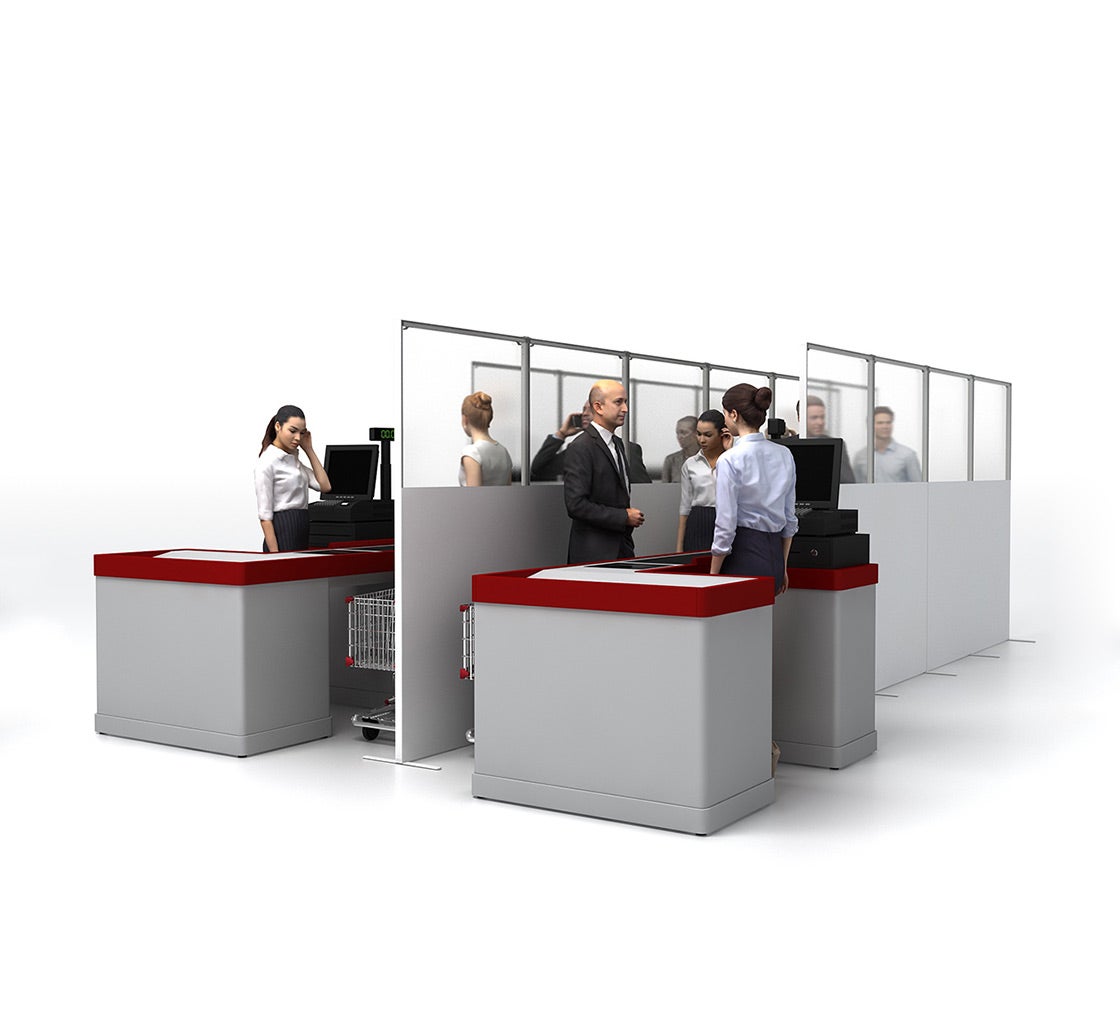
These systems also support safety by separating public spaces from equipment zones or maintenance areas. This is one of the main reasons how crowd control barriers improve event safety is often discussed by event planners and venue managers. Proper use protects both visitors and staff.
Conclusion
Using crowd control barriers with purpose helps create safer and more organized spaces. With proper planning, the right equipment, and clear staff support, crowd movement becomes easier to manage. Small details like spacing, placement, and visibility make a big difference. When barriers guide people naturally, visitors feel more comfortable and staff can work more efficiently. Whether managing a small queue or a large event crowd, thoughtful use of barrier systems supports safety, order, and smooth flow. With the right approach, crowd control barriers become an important part of successful crowd management.