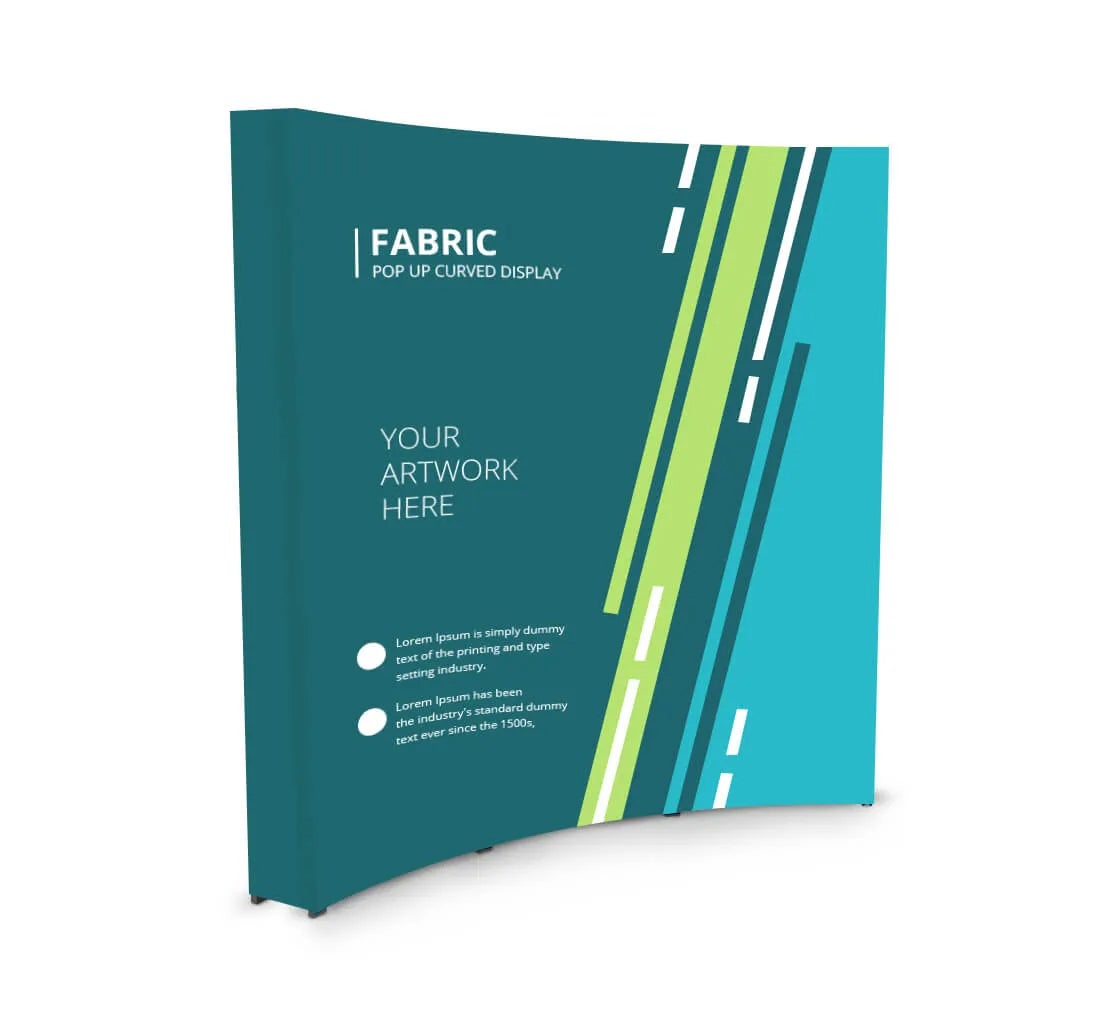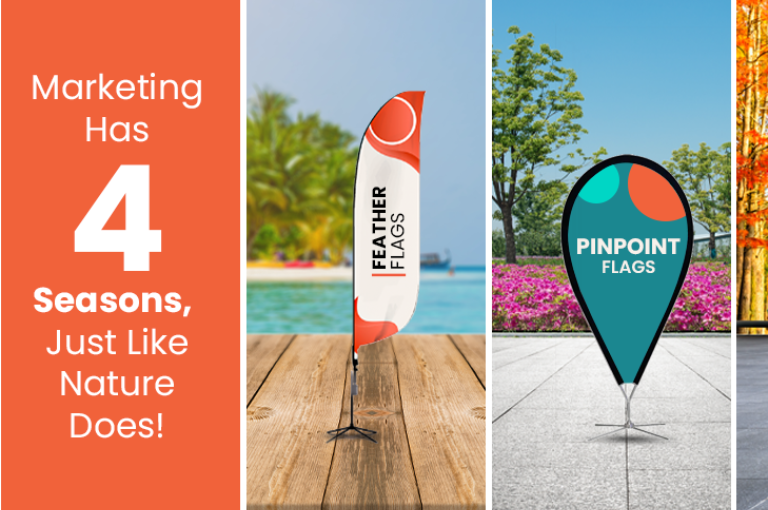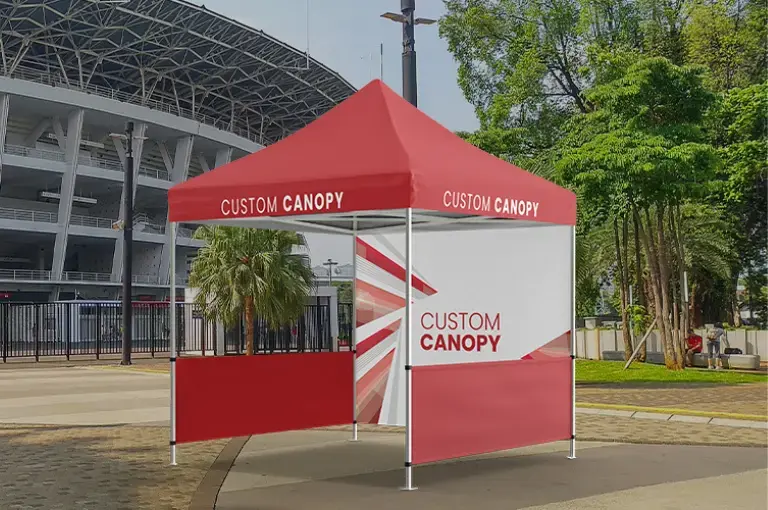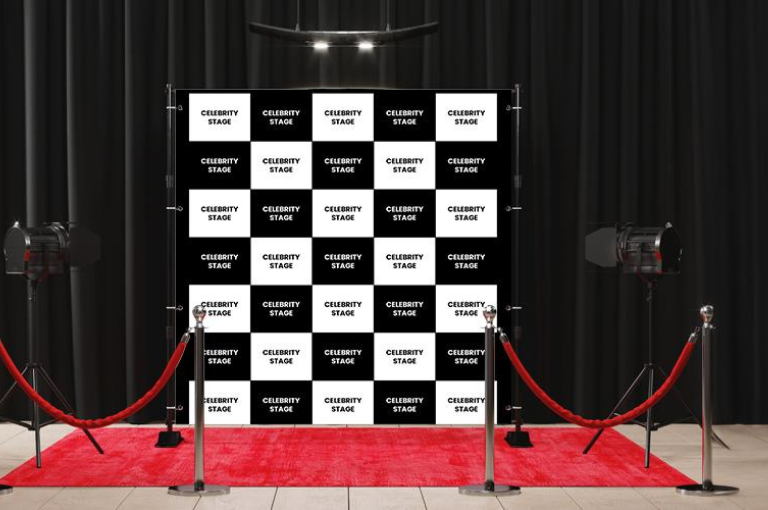




Custom banners remain one of the most effective marketing tools for promoting events, supporting retail campaigns, and strengthening trade show branding efforts. Whether you are launching a new product, directing visitor traffic, or building long-term brand recognition, the right banner design helps improve visibility, attract attention, and encourage stronger audience engagement.
With smart planning and practical design decisions, even first-time designers can create personalised banners that deliver strong performance in busy and competitive environments. This guide highlights proven and easy-to-use strategies that support businesses, exhibitors, and marketers in creating banners that communicate messages clearly and draw consistent audience attention.
The following eight actionable tips will help you design banners that maintain a professional appearance, print accurately, and deliver effective results across events, storefronts, and promotional spaces.
Popular Products


1. Define Your Goal Before You Start Designing
Every effective banner begins with a clearly defined purpose. Are you trying to promote a sale, direct visitors to a booth location, or strengthen overall brand recognition? Your goal plays a key role in shaping the layout, content structure, and visual focus of your banner. When objectives are clear, it becomes much easier to make design decisions and avoid unnecessary clutter.
In designing your layout, focus on one key message for your custom banner design instead of several competing concepts. This makes the banner easy to read from a distance and allows viewers to quickly grasp the action they should take.
By concentrating on one call-to-action and a single main benefit, beginners can follow simple banner design tips for beginners that ensure clear messaging and a structured visual hierarchy for better results.
2. Keep Messaging Short and Easy to Read
Since banners are often viewed from afar and for just a few seconds, lengthy sentences or excessive text can reduce readability and weaken their effectiveness. Strong banners use concise headlines, short supporting phrases, and clear calls to action.
To learn how to design a custom banner that stands out, consider the flow and arrangement of visual elements to create a balanced rhythm. Use larger fonts for headlines, medium fonts for subtext, and smaller fonts only when necessary. White space between elements improves legibility and gives the design a polished appearance.
Make sure not to position key details near the edges, as trimming or folding during installation could obscure them. Keeping safe margins helps preserve message clarity after printing.
3. Choose the Right Colours for Visibility

Colour choice plays a major role in readability and brand recognition. High-contrast combinations such as dark text on light backgrounds or light text on dark backgrounds are easiest to read from afar.
To ensure a high-impact business banner, apply brand colours thoughtfully and keep enough contrast between text and background for easy readability. Colours that clash or are excessively bright can prevent viewers from understanding the key message.
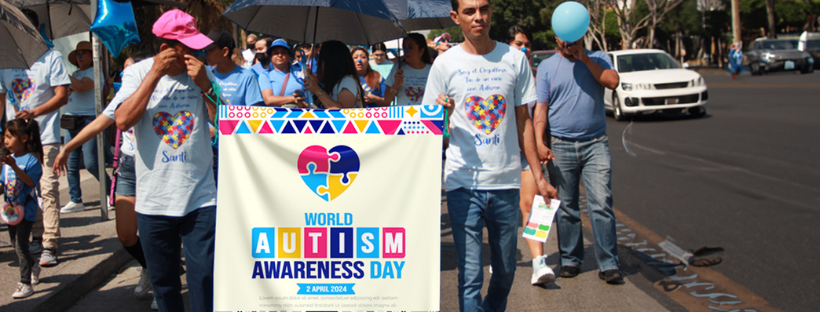
For applications in outdoor environments, opting for slightly darker tones helps maintain readability and performs more effectively under bright sunlight.
4. Select High-Quality Images and Graphics
Pixelated or blurry visuals can make your banner appear unprofessional. Always choose high-resolution images suitable for large-format printing. Maintaining the best resolution for banner printing ensures that your banner design stays sharp, legible, and visually impactful across its full size.
Professional banner printing typically requires images at 150 DPI or higher at full print size. Stock images should always be picked with care to protect against copyright issues and ensure they remain sharp when scaled.
Using vector-based logos whenever possible preserves crisp edges and maintains brand accuracy. Clear, high-quality graphics reinforce professionalism and boost the perceived value of your brand.
5. Optimise Layout for Viewing Distance
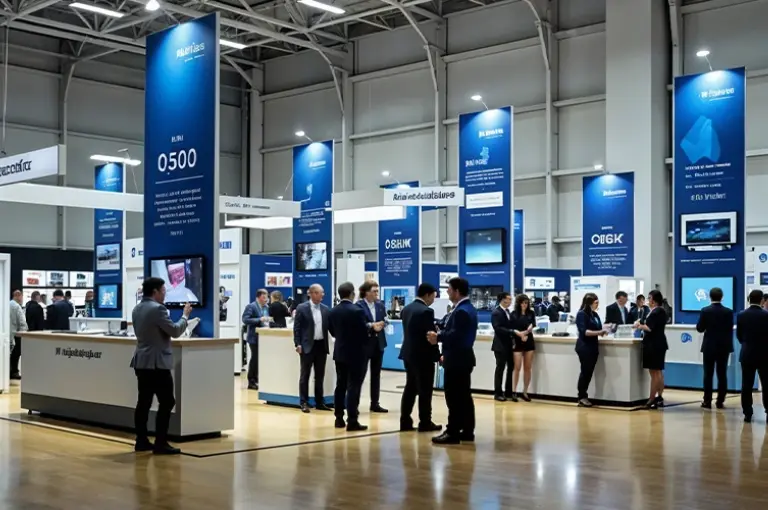
Different banners serve different purposes and viewing distances. A booth backdrop requires larger typography than a tabletop display. Outdoor signage needs bolder design elements than indoor promotional displays.
Applying best design tips for crafting custom banners means thinking about where the banner will be placed and how far away the audience will be. Headlines should be readable from at least ten feet away for trade shows and event spaces.
Keep essential information well spaced apart. Balanced spacing directs the viewer’s eye naturally from the headline to supporting details.
Read Also: Comparing Mesh Banners vs. Solid Vinyl Banners for Outdoor Advertising
6. Match Material With Design Style
Colours, images, and lighting can appear differently depending on the banner material. Your design should be tailored to the selected substrate to ensure consistent quality.
For outdoor promotions, banner design tips for vinyl and fabric banners recommend using bold colours and thicker fonts to ensure clarity in changing lighting conditions. Vinyl banners offer durability and weather resistance, while fabric banners provide a softer, more refined look for indoor use.
For trade shows and events, polyester fabric banners are ideal for backdrops and step-and-repeat walls because they resist wrinkles and reduce glare. Fabric’s light absorption differs from vinyl, enhancing the richness of colours and reducing reflections from exhibition lights.
7. Maintain Consistent Branding Across Displays
Consistency builds brand recognition and professionalism. All banners used across events, retail spaces, and outdoor promotions should reflect the same visual identity.
Your custom banner should align with existing brand fonts, colour palettes, and tone of voice. Consistent branding helps audiences instantly associate visuals with your company, especially in crowded event environments.
For large venues or perimeter promotions, fence banners are often used to reinforce brand presence across multiple touch points. Using identical design elements across multiple banners improves recall and strengthens overall impact.
8. Test and Proof Before Printing
Proofing is one of the most overlooked steps in banner design. Typos, incorrect phone numbers, or low-resolution images can result in costly reprints and missed opportunities.
Before submitting a custom vinyl banner order, review spelling, spacing, alignment, and image quality. Viewing the design at 100% scale on screen helps identify issues that may not appear at smaller zoom levels.
Ask team members to review the layout from a fresh perspective. External feedback often catches mistakes that designers may overlook after long editing sessions.
Practical Design Checklist for Better Results
Before finalizing your banner, consider these essential points:
- Ensure headline text is readable from a distance
- Use brand colours with sufficient contrast
- Confirm image resolution meets print standards
- Maintain safe margins around edges
- Keep messaging focused and minimal
Following these steps helps reduce production errors and improves on-site performance.
Why Strategic Banner Design Matters for Events
Trade shows, exhibitions, and promotional events are competitive environments where attention is limited. Well-designed banners function as silent sales tools that communicate value instantly.
When executed correctly, a professionally designed banner attracts foot traffic, increases booth engagement, and strengthens brand credibility. Strategic design also supports lead generation by guiding visitors toward clear calls to action such as website visits, QR scans, or booth interactions.
Investing time in design planning saves money long term by reducing redesign costs and extending banner usability across multiple campaigns.
Conclusion
Creating effective banners does not require complex design software or advanced graphic skills. By focusing on clarity, material compatibility, and layout balance, businesses can produce professional banners that perform across events and promotional spaces. Applying these eight practical tips allows exhibitors and marketers to maximise visibility while maintaining consistent brand presentation. With careful planning and attention to detail, your banners can become powerful visual assets that support marketing goals and enhance audience engagement.